Cryptocurrency, NFT Memes, Corruption, and Religious Power
Category : coinculator |
Sub Category : coinculator Posted on 2024-09-07 22:25:23
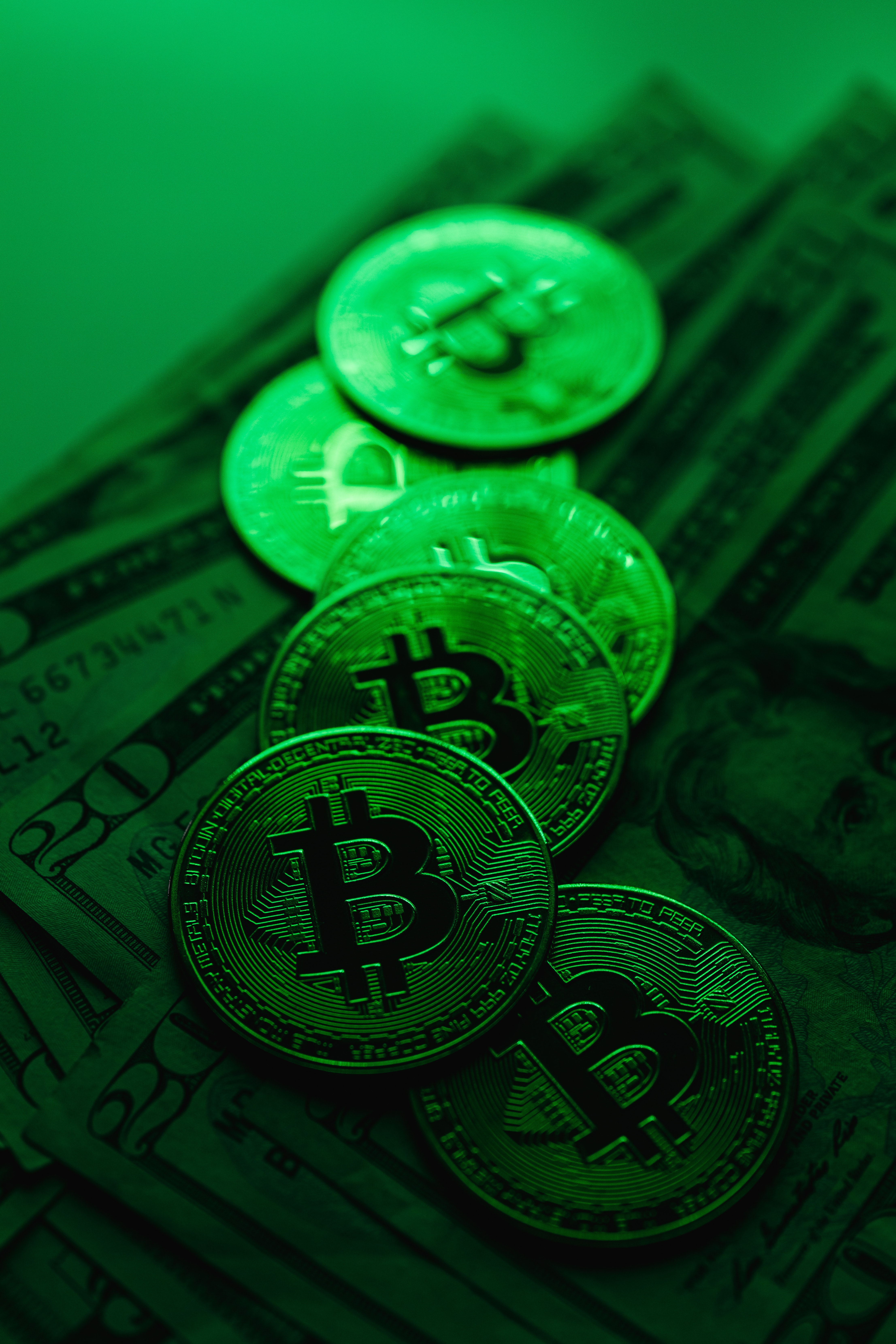
In recent years, the intersection of cryptocurrency, NFT memes, corruption, and religious power has led to a myriad of debates and discussions within various communities. Let's delve into each of these aspects and explore how they intertwine in the digital age. Cryptocurrency, a digital form of currency that operates independently of a central bank, has gained significant traction as a medium of exchange and investment. Its decentralized nature and encryption techniques have attracted investors and users looking for an alternative financial system. However, the unregulated nature of cryptocurrency also creates opportunities for corruption and fraudulent activities. Some critics argue that the anonymity of cryptocurrency transactions allows corrupt practices to thrive, making it challenging to trace and hold wrongdoers accountable. NFTs, or non-fungible tokens, have revolutionized the art and digital collectibles market by allowing unique digital assets to be bought and sold using blockchain technology. NFT memes, in particular, have captured the attention of the online community, with artists and creators turning popular internet memes into one-of-a-kind digital assets. This emerging trend has sparked creativity and innovation but has also raised concerns about copyright infringement and authenticity in the digital space. Corruption, a persistent issue in societies worldwide, can jeopardize the integrity of institutions and erode public trust. The opacity of certain cryptocurrency transactions and the rise of fraudulent NFT schemes have amplified concerns about corruption in the digital realm. Without proper regulations and oversight, bad actors may exploit these technologies for personal gain, undermining the potential benefits they offer. Religious power, traditionally associated with moral authority and spiritual guidance, has also been impacted by the rise of cryptocurrency and NFTs. Some religious institutions have embraced digital currencies as a means of donation or investment, while others remain skeptical of the potential risks and ethical implications. The fusion of technology and spirituality raises complex questions about the role of religion in the digital age and how faith-based organizations navigate the changing landscape of finance and creativity. In conclusion, the convergence of cryptocurrency, NFT memes, corruption, and religious power reflects the complexities of our modern world. As these disparate elements intersect and interact, it is essential for individuals and communities to critically examine the ethical implications and societal consequences of their actions. By fostering transparency, accountability, and responsible use of technology, we can strive towards a more equitable and sustainable future for all.


