Cryptocurrency has been a rapidly growing industry worldwide, including in Thailand. As more companies venture into the cryptocurrency space in Thailand, it is essential to understand the business laws and regulations that govern this sector in the country.
Category : coinculator |
Sub Category : coinculator Posted on 2024-09-07 22:25:23
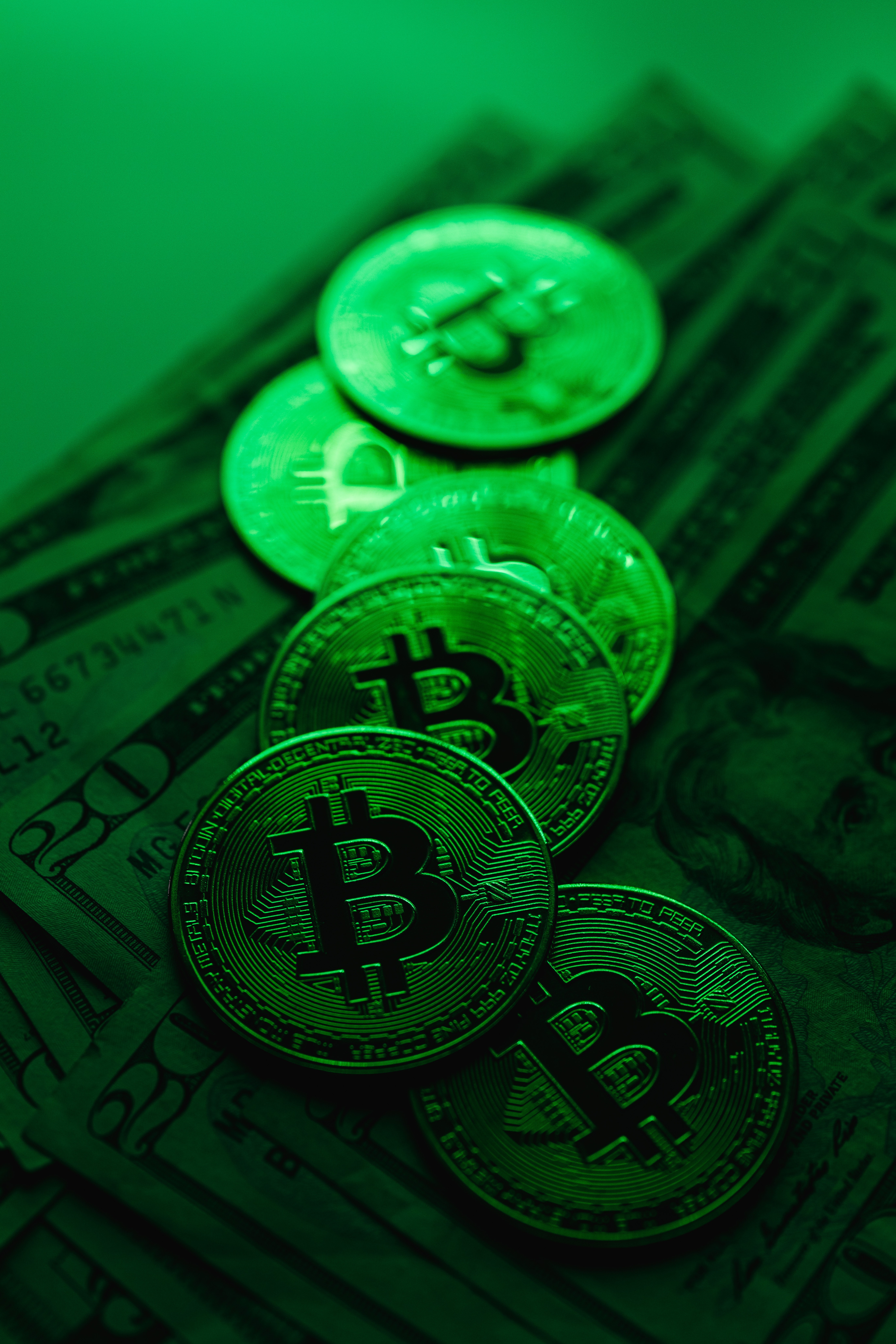
Thailand has been proactive in creating a regulatory framework to govern Cryptocurrency-related activities. The primary legislation that regulates cryptocurrencies, initial coin offerings (ICOs), and digital asset businesses in Thailand is the Digital Asset Business Decree, which came into effect in May 2018. This decree requires any entity engaging in digital asset-related activities, such as cryptocurrency exchanges and ICO issuers, to obtain a license from the Securities and Exchange Commission (SEC) of Thailand. To operate legally in Thailand, companies involved in cryptocurrency businesses must adhere to the regulatory requirements set forth by the SEC. These requirements include conducting thorough customer due diligence, implementing anti-money laundering (AML) and know your customer (KYC) procedures, and maintaining adequate cybersecurity measures to protect investors' assets. Additionally, companies in the cryptocurrency space in Thailand must comply with tax regulations. Cryptocurrency transactions are subject to taxation in Thailand, and companies are required to report their income from cryptocurrency activities and pay taxes accordingly. Furthermore, companies must stay informed about any updates or changes in cryptocurrency laws and regulations in Thailand to ensure compliance with the evolving regulatory landscape. Non-compliance with regulatory requirements can result in penalties, fines, or even the revocation of a company's license to operate in the digital asset industry. In conclusion, the cryptocurrency industry in Thailand is subject to specific business laws and regulations aimed at protecting investors and maintaining the integrity of the market. As companies continue to explore opportunities in the cryptocurrency space in Thailand, it is crucial for them to stay informed about and comply with the regulatory framework to operate legally and sustainably in the market. Here is the following website to check: https://www.cryptonics.net


