Cryptocurrency Companies in Thailand and the Netherlands: A Comparison
Category : coinculator |
Sub Category : coinculator Posted on 2024-09-07 22:25:23
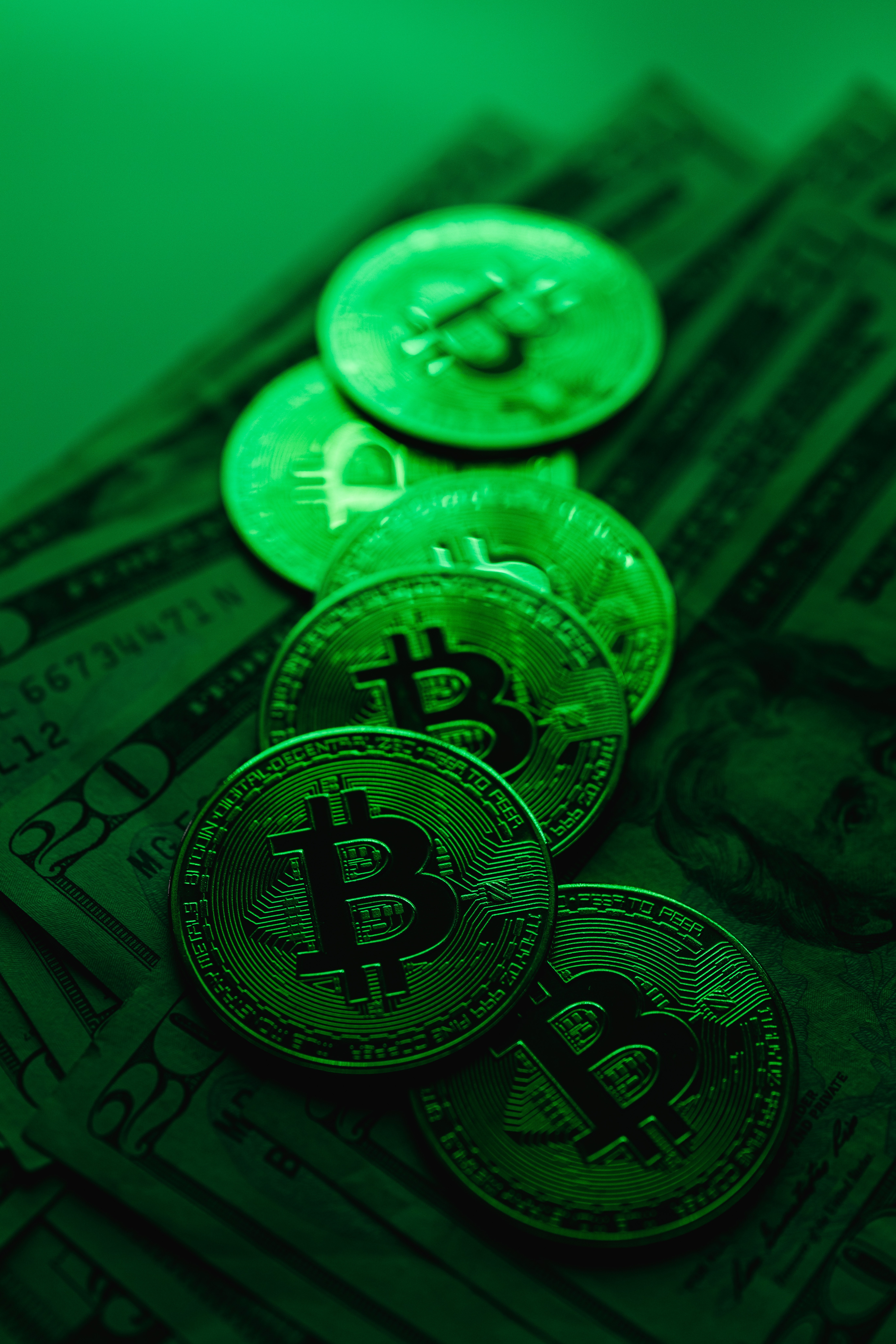
cryptocurrency, a digital form of currency that operates independently of a central bank, has gained significant traction in recent years. Countries around the world have been exploring the potential uses of cryptocurrencies and blockchain technology. In this blog post, we will explore the cryptocurrency landscape in two countries: Thailand and the Netherlands. Thailand has emerged as a hotspot for cryptocurrency businesses and startups. The Thai government has taken a proactive approach to regulating the industry, creating a favorable environment for cryptocurrency companies to thrive. The country has implemented regulations to combat money laundering and protect investors, while also fostering innovation in the blockchain space. Several prominent cryptocurrency companies have established a presence in Thailand. For example, Bitkub is one of the leading cryptocurrency exchanges in the country, offering a platform for users to buy, sell, and trade digital assets. Coins.co.th is another key player in the Thai market, providing a range of cryptocurrency services to customers. In contrast, the Netherlands has also seen a rise in cryptocurrency businesses and activities. The Dutch government has adopted a supportive stance towards cryptocurrencies, with a focus on creating a clear regulatory framework for the industry. This approach has attracted a number of cryptocurrency companies to establish operations in the country. One notable cryptocurrency company in the Netherlands is BitPay, a global payment service provider that enables businesses to accept Bitcoin and other digital currencies. Another key player is LiteBit, a cryptocurrency exchange platform that offers a wide range of digital assets for trading. Despite the differences in regulatory approaches between Thailand and the Netherlands, both countries have seen a growth in cryptocurrency businesses and adoption. As the cryptocurrency landscape continues to evolve, it will be interesting to see how these two countries navigate the challenges and opportunities presented by this emerging technology. In conclusion, Thailand and the Netherlands have emerged as key players in the global cryptocurrency ecosystem. Both countries have created conducive environments for cryptocurrency businesses to operate, attracting a diverse range of companies to establish a presence. As the cryptocurrency industry matures, it will be fascinating to observe how these countries continue to shape the future of digital finance.


