Cryptocurrency Regulation: A Comparison between Uzbekistan and Sweden
Category : coinculator |
Sub Category : coinculator Posted on 2024-09-07 22:25:23
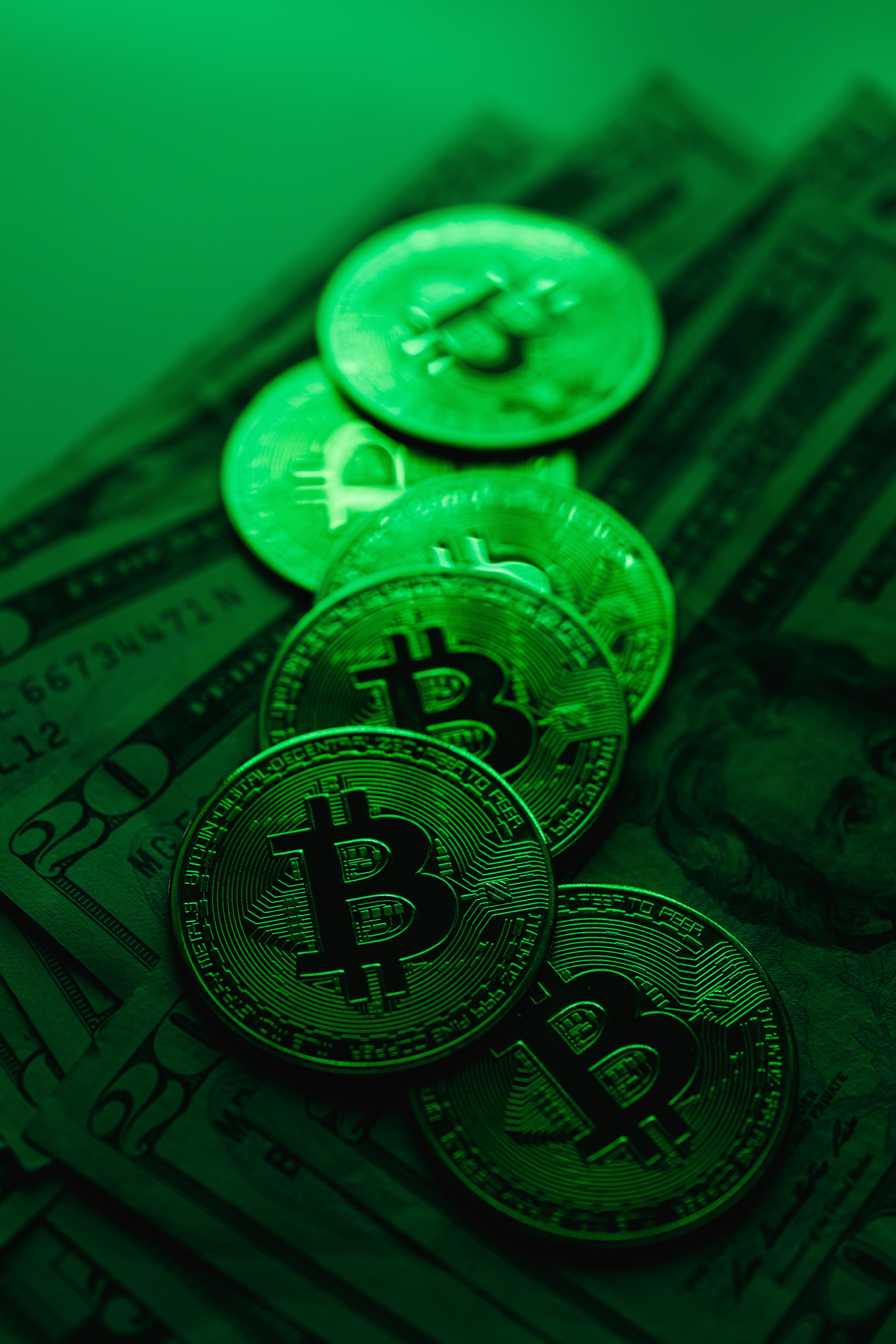
cryptocurrency, a digital form of currency that operates independently of a central bank, has become a popular topic of interest worldwide. Countries around the globe are grappling with how to regulate this emerging technology, including Uzbekistan and Sweden. In this blog post, we will explore the different approaches these two countries are taking toward cryptocurrencies. Uzbekistan, a country in Central Asia, has taken significant steps to embrace and regulate cryptocurrencies. In 2018, the government of Uzbekistan legalized cryptocurrency trading, mining, and exchanges, making it one of the few countries in the region to do so. The government also introduced licensing requirements for cryptocurrency exchanges and created a special tax regime for cryptocurrency transactions. These moves have positioned Uzbekistan as a crypto-friendly nation, attracting interest from both local and foreign investors. On the other hand, Sweden, a tech-savvy country in Northern Europe, has adopted a more cautious approach to cryptocurrency regulation. The Swedish Financial Supervisory Authority (SFSA) has issued warnings to investors about the risks associated with cryptocurrencies and has raised concerns about their potential use in money laundering and other illicit activities. However, Sweden has not banned cryptocurrencies outright and has allowed businesses to accept them as a form of payment. One key difference between Uzbekistan and Sweden is their attitudes toward central bank digital currencies (CBDCs). Uzbekistan has announced plans to issue its own digital currency, the digital som, backed by the country's central bank. This move could help modernize the country's financial system and improve financial inclusion for its citizens. In contrast, Sweden's central bank, the Riksbank, has been exploring the possibility of introducing an e-krona, a digital version of the Swedish krona, in response to the declining use of cash in the country. In conclusion, Uzbekistan and Sweden are approaching cryptocurrency regulation from different perspectives. While Uzbekistan has embraced cryptocurrencies and is actively working to regulate and support the industry, Sweden remains cautious and is carefully considering the implications of digital currencies. Both countries are navigating the complex landscape of cryptocurrency regulation, balancing innovation and risk management to foster a healthy digital economy. Overall, the evolving regulatory approaches of Uzbekistan and Sweden highlight the global interest and diverse perspectives on cryptocurrencies. As the cryptocurrency industry continues to grow and mature, it will be interesting to see how other countries around the world respond and adapt to this disruptive technology.


