Data Privacy, ETFs, Cryptocurrency, and Economic Welfare Theory: Exploring the Intersection
Category : coinculator |
Sub Category : coinculator Posted on 2024-09-07 22:25:23
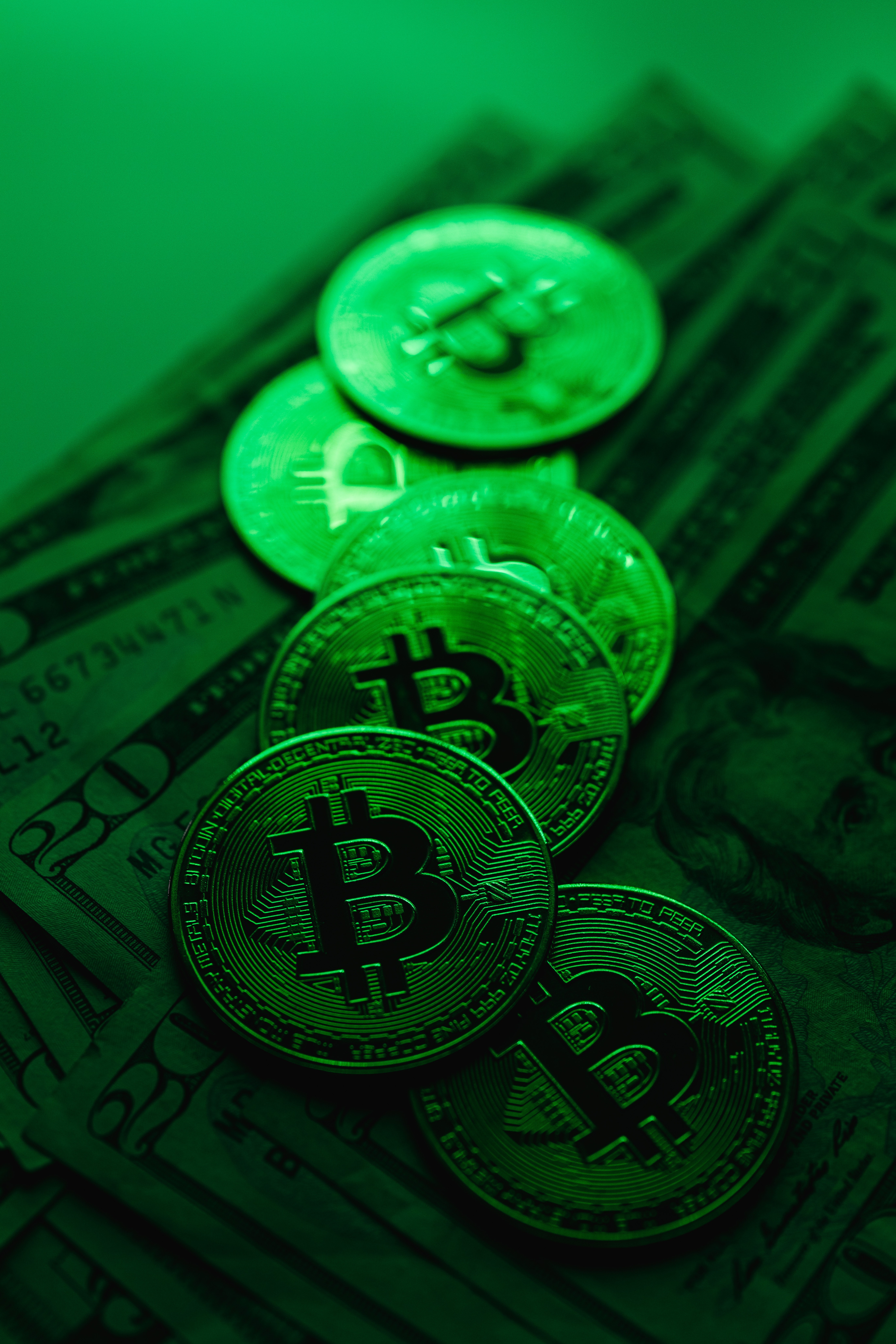
In today's digital age, concerns about data privacy have become increasingly prevalent. As individuals and businesses generate and share vast amounts of data online, the need to safeguard personal information has never been more critical. At the same time, the rise of exchange-traded funds (ETFs) and cryptocurrencies has brought about new opportunities and challenges in the financial world. In this blog post, we will explore the intersection of data privacy, ETFs, cryptocurrencies, and economic welfare theory. Data privacy is a fundamental aspect of our digital lives. With the growing prevalence of online platforms and services, the collection and use of personal data have become ubiquitous. From social media interactions to online shopping habits, individuals are constantly generating data that is being harvested and analyzed by companies for various purposes. However, this data collection has raised concerns about privacy, security, and the ethical use of personal information. In this context, the importance of data protection regulations, such as the General Data Protection Regulation (GDPR) in the European Union, cannot be overstated. These regulations aim to give individuals more control over their personal data and ensure that companies handle data responsibly. By enforcing strict guidelines on data collection, storage, and processing, these regulations help protect individuals' privacy rights in the digital realm. When we turn our attention to the world of finance, ETFs and cryptocurrencies have emerged as innovative investment options with unique characteristics. ETFs are investment funds that trade on stock exchanges and hold assets such as stocks, commodities, or bonds. They offer diversification, liquidity, and low costs, making them popular among investors looking to build a well-rounded portfolio. On the other hand, cryptocurrencies like Bitcoin and Ethereum operate on decentralized blockchain technology, offering transparency, security, and anonymity in transactions. While cryptocurrencies have gained popularity for their potential for high returns and borderless nature, they have also faced scrutiny for their volatility and susceptibility to fraud and hacking. From an economic welfare theory perspective, the intersection of data privacy, ETFs, and cryptocurrencies raises interesting questions about individual choice, market efficiency, and societal well-being. Economic welfare theory examines how markets allocate resources to maximize overall welfare, taking into account consumer preferences, producer incentives, and government interventions. When it comes to data privacy, individuals' preferences for privacy protection may influence their decisions regarding online activities, such as social media usage or online shopping. As consumers become more aware of data privacy risks, they may opt for platforms that prioritize data security and transparency, leading companies to adjust their data handling practices to meet consumer demand. In the realm of finance, the proliferation of ETFs and cryptocurrencies provides investors with a wider range of options to diversify their portfolios and manage risk. However, market efficiency considerations come into play when assessing the impact of information asymmetries, regulatory interventions, and technological disruptions on asset prices and investor behavior. Overall, the intersection of data privacy, ETFs, cryptocurrencies, and economic welfare theory underscores the importance of balancing innovation and regulation in the digital economy. As technology continues to evolve and reshape our financial and informational landscapes, it is crucial to uphold principles of privacy, security, and ethical conduct to promote individual well-being and societal welfare. In conclusion, data privacy, ETFs, cryptocurrencies, and economic welfare theory are interconnected facets of our modern digital and financial ecosystems. By exploring their intersections and implications, we can gain a deeper understanding of the evolving dynamics between technology, commerce, and societal welfare in the 21st century. For more info https://www.topico.net Want to expand your knowledge? Start with https://www.cryptonics.net Discover new insights by reading https://www.exactamente.org


