The Intersection of ETFs, Cryptocurrency, and Achieving Equality and Equity in Myanmar
Category : coinculator |
Sub Category : coinculator Posted on 2024-09-07 22:25:23
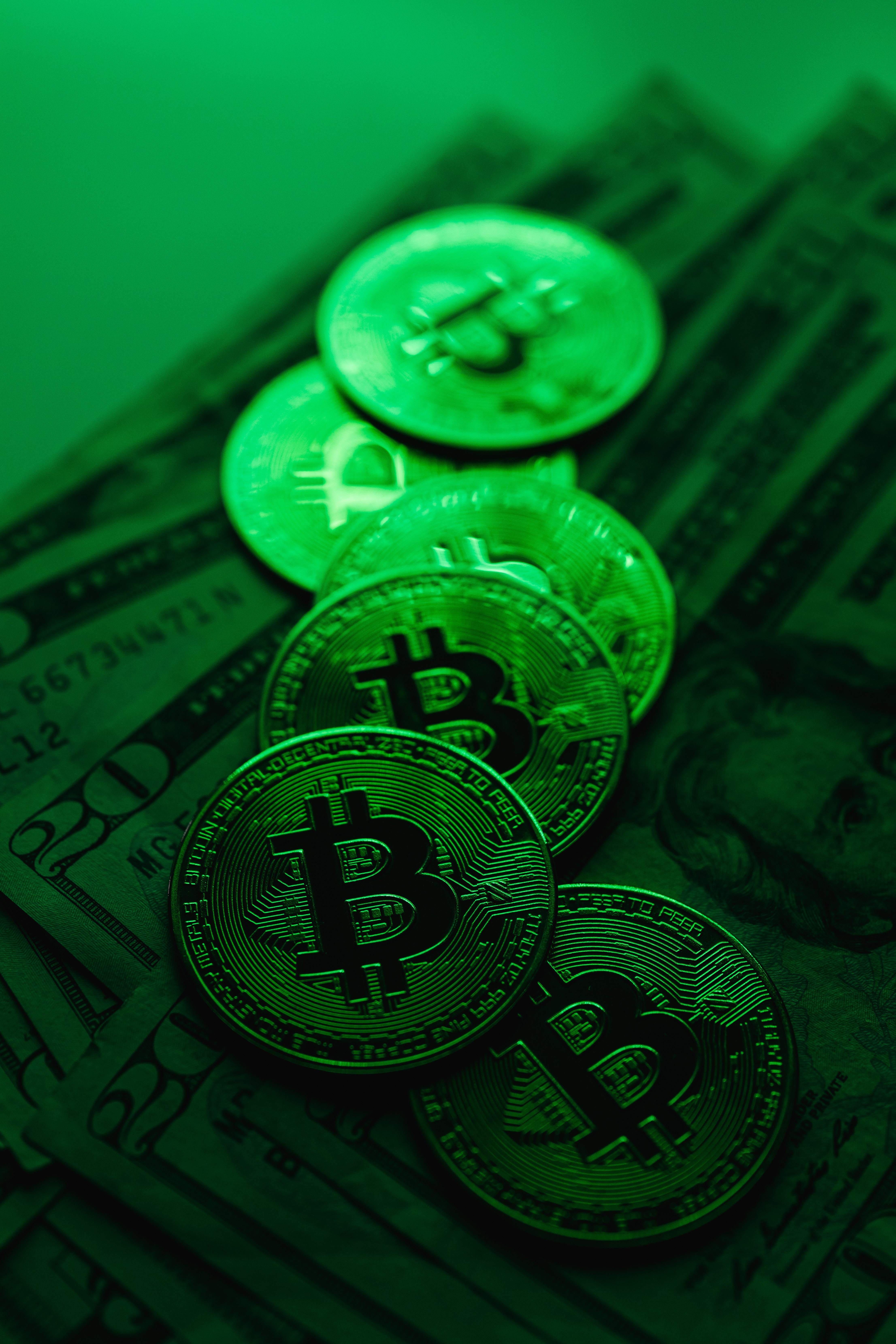
In recent years, Myanmar has emerged as a hotspot for both traditional investments in Exchange-Traded Funds (ETFs) and the burgeoning world of cryptocurrency. As this Southeast Asian nation seeks to transition towards a more equitable and inclusive society, there is growing interest in how these financial tools can be leveraged to promote economic empowerment and social change. ETFs, which are investment funds traded on stock exchanges, offer a convenient way for individuals to diversify their portfolios and gain exposure to different asset classes such as stocks, bonds, and commodities. In Myanmar, ETFs have gained popularity among both retail and institutional investors looking to capitalize on the country's economic growth and market potential. At the same time, the rise of cryptocurrency presents a unique opportunity for Myanmar to leapfrog traditional financial infrastructure and promote financial inclusion. Cryptocurrencies like Bitcoin and Ethereum offer decentralized and borderless solutions that can empower individuals to transact, save, and invest without the need for traditional banking services. However, the question of equality and equity looms large in Myanmar, a country grappling with deep-rooted social and economic disparities. While ETFs and cryptocurrency have the potential to democratize wealth and access to financial services, there are also concerns about exacerbating existing inequalities and creating new divides. To address these challenges, policymakers, regulators, and industry stakeholders must work together to ensure that the benefits of ETFs and cryptocurrency are distributed equitably across all segments of society. This requires thoughtful regulation, financial education programs, and initiatives to promote digital literacy and financial inclusion, particularly in underserved communities. Moreover, there is a need to prioritize initiatives that empower women, ethnic minorities, and marginalized groups to participate in the financial system and benefit from the opportunities presented by ETFs and cryptocurrency. By fostering a more inclusive and diverse financial ecosystem, Myanmar can create a more sustainable and equitable future for all its citizens. In conclusion, the intersection of ETFs, cryptocurrency, and the pursuit of equality and equity in Myanmar presents both opportunities and challenges. By harnessing the potential of these financial tools while promoting inclusivity and social responsibility, Myanmar can pave the way towards a more prosperous and equitable society for all.


