Exploring the Intersection of ETFs and Cryptocurrency: A Global Perspective in Helsinki, Finland and Nigeria
Category : coinculator |
Sub Category : coinculator Posted on 2024-09-07 22:25:23
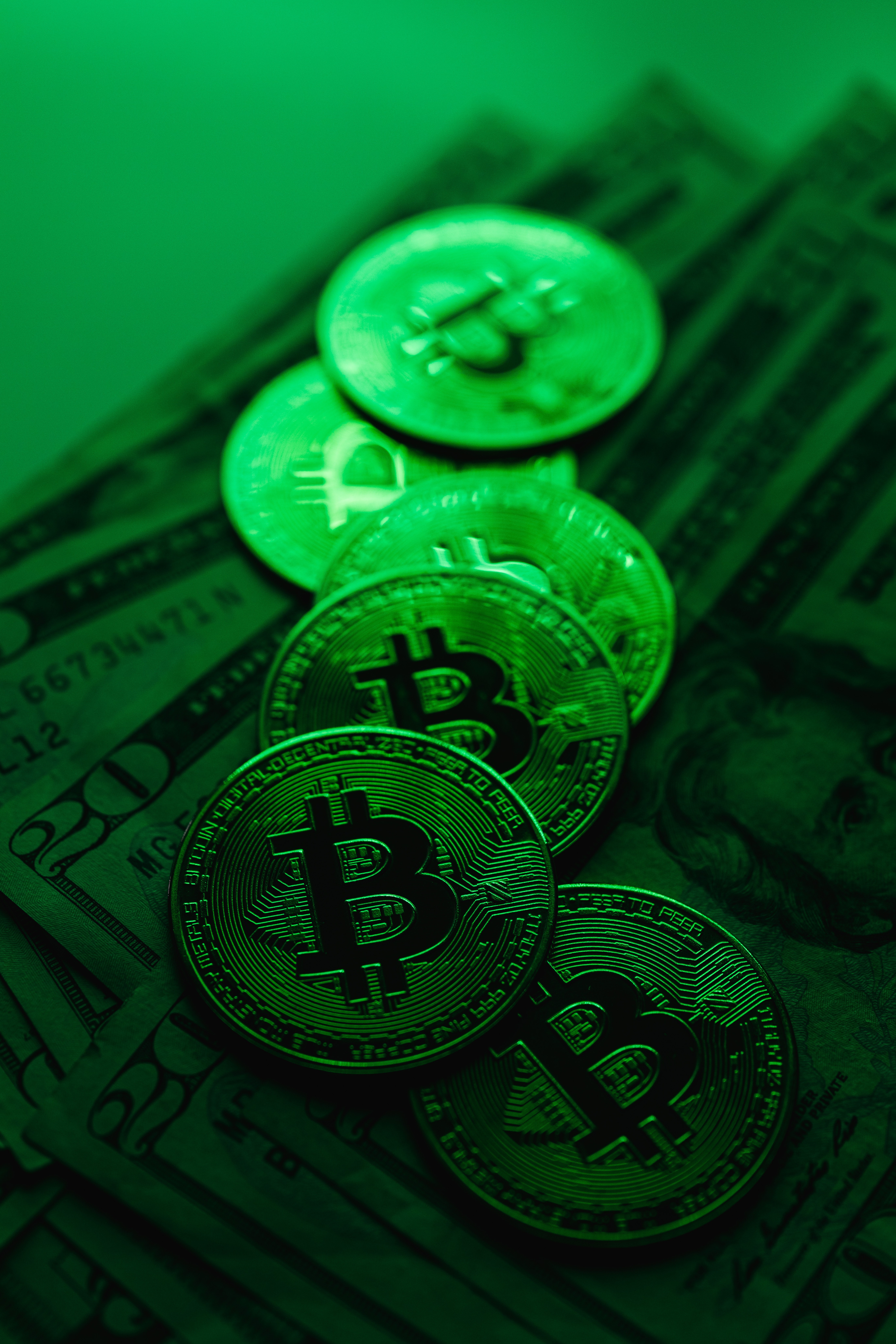
In recent years, the world of finance has witnessed a growing intersection between traditional investment vehicles like Exchange-Traded Funds (ETFs) and the emerging asset class of cryptocurrency. This trend is not limited to specific regions but is expanding globally, including in cities like Helsinki, Finland, and countries like Nigeria. Let's delve into how these two financial instruments are converging and the implications of this convergence in different parts of the world. **ETFs: A Traditional Investment Option Exchange-Traded Funds (ETFs) are a type of investment fund that is traded on stock exchanges, much like individual stocks. They provide investors with diversified exposure to a basket of assets such as stocks, bonds, commodities, or a combination of these assets. ETFs are known for their liquidity, transparency, and cost-effectiveness, making them a popular choice for both retail and institutional investors. In Helsinki, Finland, ETFs have gained significant traction among investors looking to access various markets and asset classes in a simplified manner. Finnish investors appreciate the convenience and flexibility that ETFs offer, allowing them to construct well-diversified portfolios with ease. ETF providers in Finland continue to innovate by introducing new products that cater to the evolving needs of investors in the region. **Cryptocurrency: The Rise of Digital Assets Cryptocurrency, on the other hand, represents a newer and more volatile asset class that is based on blockchain technology. Bitcoin, Ethereum, and other cryptocurrencies have garnered widespread attention for their potential to disrupt traditional financial systems and offer new avenues for investment. While the regulatory landscape for cryptocurrencies varies across countries, Nigeria has emerged as a key market for digital assets in Africa. In Nigeria, cryptocurrency adoption has been driven by factors such as a young and tech-savvy population, a growing interest in alternative investments, and the need for financial inclusion in a predominantly cash-based economy. Platforms that facilitate the buying, selling, and storing of cryptocurrencies have witnessed a surge in users across Nigeria, highlighting the increasing appetite for digital assets in the country. **The Convergence of ETFs and Cryptocurrency The convergence of ETFs and cryptocurrency is where the traditional meets the cutting edge. Some innovative ETFs now offer exposure to cryptocurrency-related companies, blockchain technology, or even directly hold digital assets within their portfolios. This cross-pollination of traditional and digital finance presents investors with a new set of opportunities and challenges. In Helsinki and Nigeria, investors are exploring ways to incorporate cryptocurrency exposure through ETFs or other investment vehicles. The diversification benefits of adding digital assets to a traditional portfolio are being studied, along with the risk management strategies required to navigate the volatility associated with cryptocurrencies. Regulators in both regions are also monitoring this trend closely to ensure investor protection and market stability. **Conclusion As Helsinki, Finland, and Nigeria embrace the intersection of ETFs and cryptocurrency, the global financial landscape continues to evolve. Investors in these regions are navigating the opportunities and risks presented by this convergence, seeking to leverage the benefits of both traditional and digital assets in their portfolios. By staying informed about market developments and adopting a diversified approach to investing, individuals and institutions can position themselves strategically in this dynamic space. The journey of ETFs and cryptocurrency in Helsinki, Finland, Nigeria, and beyond is a testament to the transformative power of innovation in finance. As these two worlds continue to converge, the possibilities for investors to access a diverse range of assets and strategies are expanding, shaping the future of investment management on a global scale.


