Navigating ETFs and Cryptocurrency Regulations in Latvia
Category : coinculator |
Sub Category : coinculator Posted on 2024-09-07 22:25:23
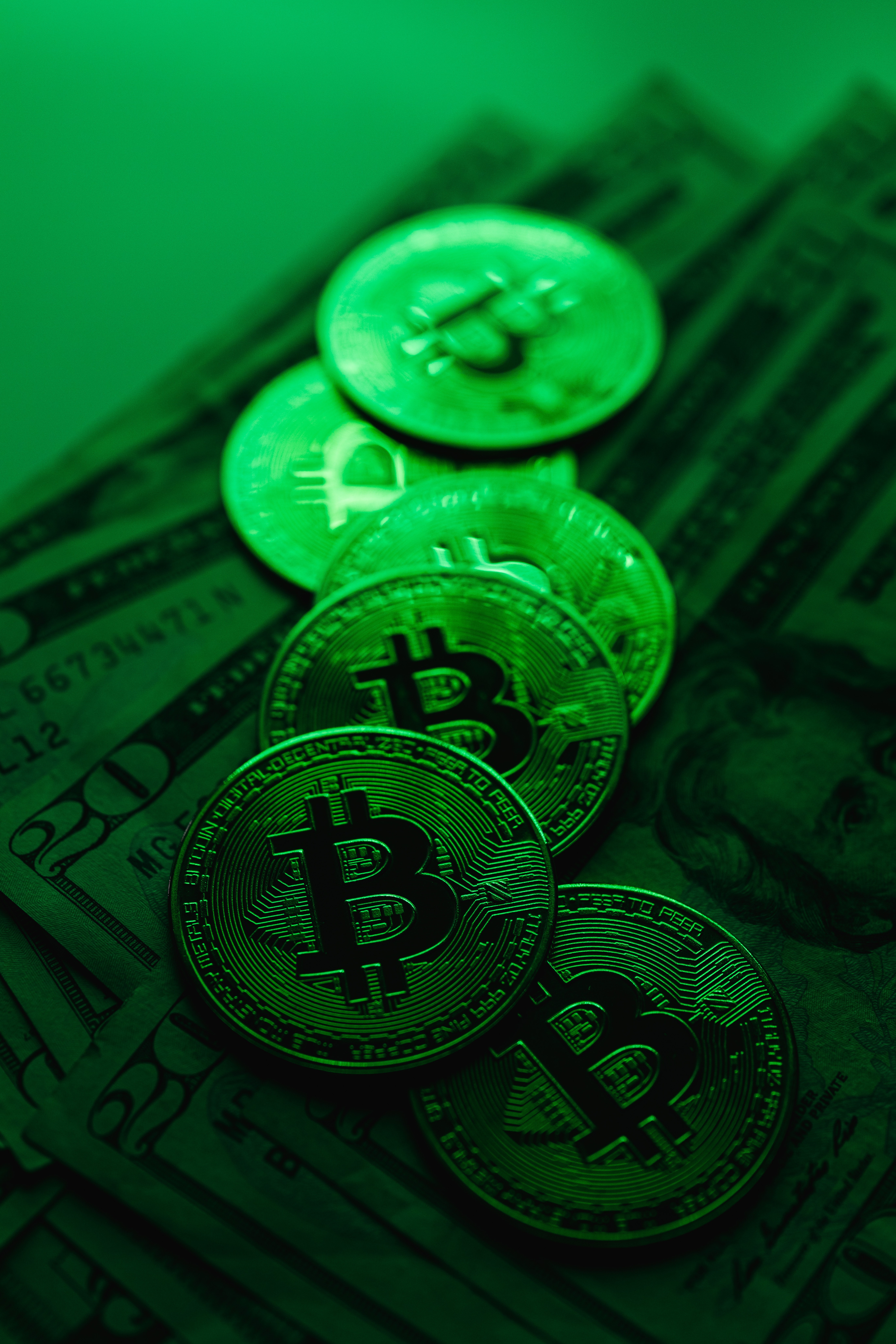
cryptocurrency and exchange-traded funds (ETFs) have been gaining popularity as investment options in recent years. However, navigating the regulatory landscape when it comes to these assets can be quite complex, especially in a country like Latvia. In this article, we will explore the laws and regulations governing ETFs and cryptocurrency in Latvia. Exchange-traded funds (ETFs) are investment funds that are traded on stock exchanges, much like stocks. They typically hold assets such as stocks, commodities, or bonds and provide investors with an opportunity to diversify their portfolios. In Latvia, ETFs are regulated by the Financial and Capital Market Commission (FKTK). The FKTK oversees the registration and regulation of investment funds, including ETFs, to ensure transparency and investor protection. When it comes to cryptocurrency, Latvia has taken a somewhat cautious approach to regulation. Cryptocurrency exchanges and service providers are required to register with the FKTK and comply with anti-money laundering (AML) and know your customer (KYC) regulations. The authorities have also issued warnings to the public about the risks associated with investing in cryptocurrencies and have emphasized the importance of conducting thorough research before making any investment decisions. In terms of taxation, both ETFs and cryptocurrency are subject to taxation in Latvia. Capital gains from the sale of ETFs are taxed at a flat rate of 20%, while profits from cryptocurrency transactions are considered taxable income and are subject to personal income tax rates. Looking ahead, the regulatory landscape for ETFs and cryptocurrency in Latvia is likely to continue evolving as these assets become more mainstream. It is essential for investors to stay informed about the latest laws and regulations to ensure compliance and protect their investments. In conclusion, navigating the legal and regulatory framework for ETFs and cryptocurrency in Latvia requires a thorough understanding of the rules set forth by the FKTK and other relevant authorities. By staying informed and following the guidelines, investors can engage in these markets with confidence and peace of mind.


