Cryptocurrency and ETF Regulation in Nigeria: What You Need to Know
Category : coinculator |
Sub Category : coinculator Posted on 2024-09-07 22:25:23
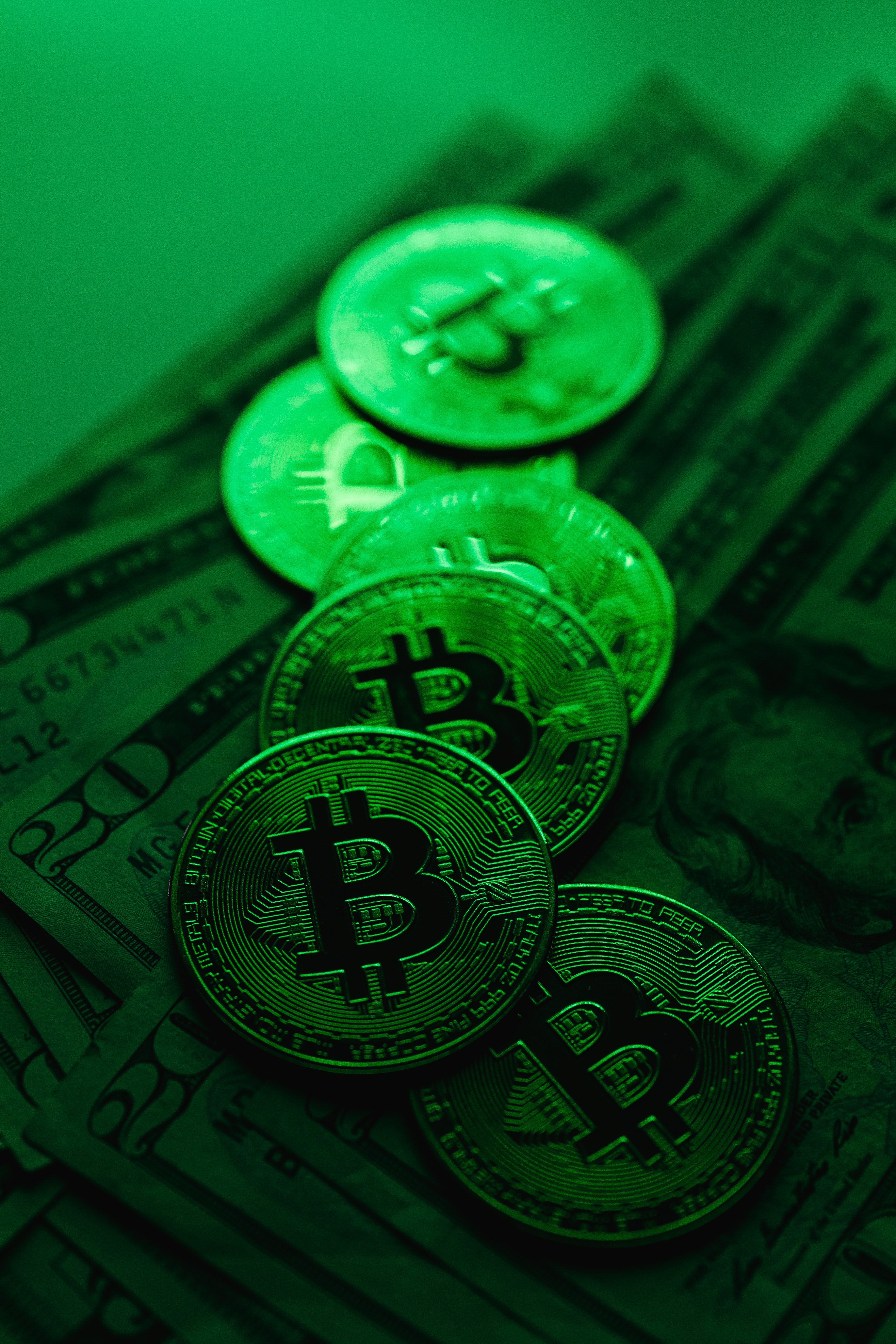
cryptocurrency and Exchange-Traded Funds (ETFs) have gained significant popularity in Nigeria in recent years, but with this increasing interest comes the need for proper regulation to protect investors and ensure the stability of the market. In this blog post, we will explore the current laws and regulations surrounding cryptocurrency and ETFs in Nigeria. Cryptocurrency Regulation in Nigeria: Cryptocurrency regulation in Nigeria has been a topic of discussion among regulators and industry players. The Central Bank of Nigeria (CBN) has issued several circulars over the years warning financial institutions and the public about the risks associated with cryptocurrencies. In 2021, the CBN banned banks and financial institutions from facilitating cryptocurrency transactions. However, in a more recent development, the Securities and Exchange Commission (SEC) of Nigeria has taken a more proactive approach towards cryptocurrency regulation. The SEC has classified crypto assets as securities and issued guidelines for the regulation of cryptocurrency trading platforms operating in Nigeria. This move is aimed at providing a level of investor protection and fostering the growth of the cryptocurrency market in Nigeria. ETF Regulation in Nigeria: ETFs are investment funds that are traded on stock exchanges and can hold assets such as stocks, commodities, or bonds. In Nigeria, the SEC regulates the issuance and trading of ETFs to protect investors and ensure market integrity. The SEC has laid down guidelines for the registration and operation of ETFs in Nigeria, including requirements for fund managers, custodians, and market makers. Investors looking to invest in ETFs in Nigeria should ensure that the ETFs they choose to invest in are registered with the SEC and comply with regulatory requirements. By investing in regulated ETFs, investors can have confidence in the transparency and security of their investments. Conclusion: As the cryptocurrency and ETF markets continue to evolve in Nigeria, it is crucial for investors to stay informed about the latest laws and regulations governing these assets. By adhering to regulatory guidelines and investing in regulated products, investors can mitigate risks and contribute to the growth and development of the digital asset market in Nigeria. It is recommended for investors to seek advice from financial professionals and conduct thorough research before making any investment decisions in cryptocurrencies or ETFs.


