Navigating the ETF and Cryptocurrency Landscape: Access Control in the Netherlands
Category : coinculator |
Sub Category : coinculator Posted on 2024-09-07 22:25:23
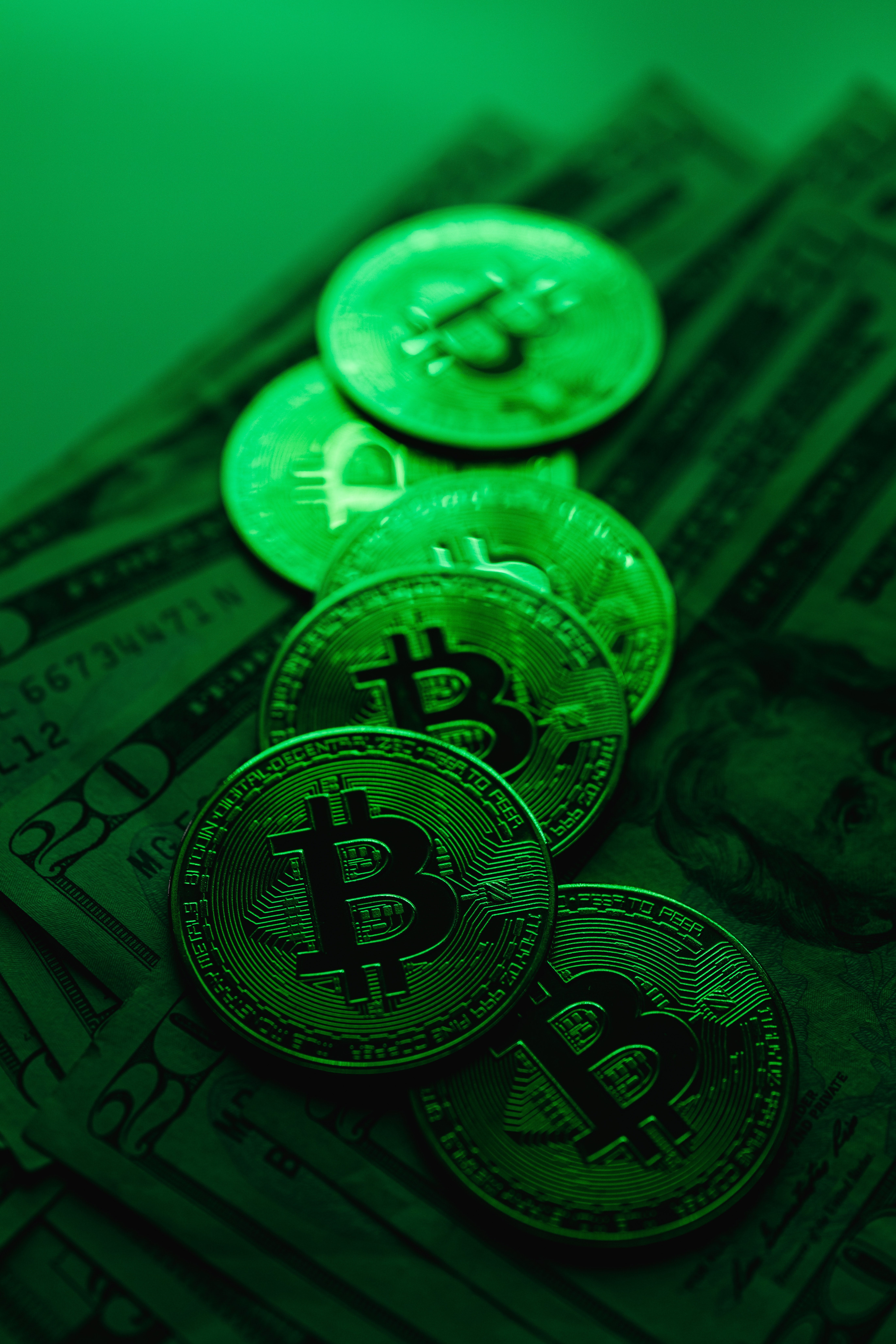
In recent years, the world of finance has seen a convergence of traditional investment instruments like Exchange-Traded Funds (ETFs) with the innovative realm of cryptocurrency. This intersection has created new opportunities for investors looking to diversify their portfolios and take advantage of the growing digital asset market. In the Netherlands, access control plays a crucial role in ensuring the responsible and secure trading of ETFs and cryptocurrencies. ETFs have long been favored by investors for their ability to provide exposure to a diversified portfolio of assets while offering the liquidity and flexibility of trading on stock exchanges. In the Netherlands, ETFs are regulated by the Authority for the Financial Markets (AFM) to ensure that investors are protected and that the market operates transparently and efficiently. Access control measures, such as know your customer (KYC) and anti-money laundering (AML) procedures, are in place to verify the identities of investors and prevent illicit activities. On the other hand, cryptocurrencies present a unique set of challenges when it comes to access control. The decentralized and pseudonymous nature of blockchain transactions can make it difficult to trace the flow of funds and verify the identities of users. However, regulatory frameworks in the Netherlands, such as the Anti-Money Laundering and Anti-Terrorist Financing Act, require cryptocurrency exchanges and custodial services to implement robust AML and KYC measures to prevent financial crimes. For investors in the Netherlands looking to gain exposure to both ETFs and cryptocurrencies, access control is key to navigating the complex regulatory landscape and ensuring compliance with the law. By partnering with reputable financial institutions and exchanges that prioritize security and transparency, investors can mitigate the risks associated with trading digital assets and safeguard their investments. In conclusion, the intersection of ETFs and cryptocurrencies in the Netherlands presents new opportunities for investors to diversify their portfolios and tap into the potential of the digital asset market. With proper access control measures in place, investors can trade with confidence knowing that their assets are protected and that they are complying with regulatory requirements. As the digital asset space continues to evolve, staying informed and adhering to best practices in access control will be essential for investors seeking to capitalize on this dynamic market.


