ETFs and Cryptocurrency: A Comparison Between Sweden and the Netherlands
Category : coinculator |
Sub Category : coinculator Posted on 2024-09-07 22:25:23
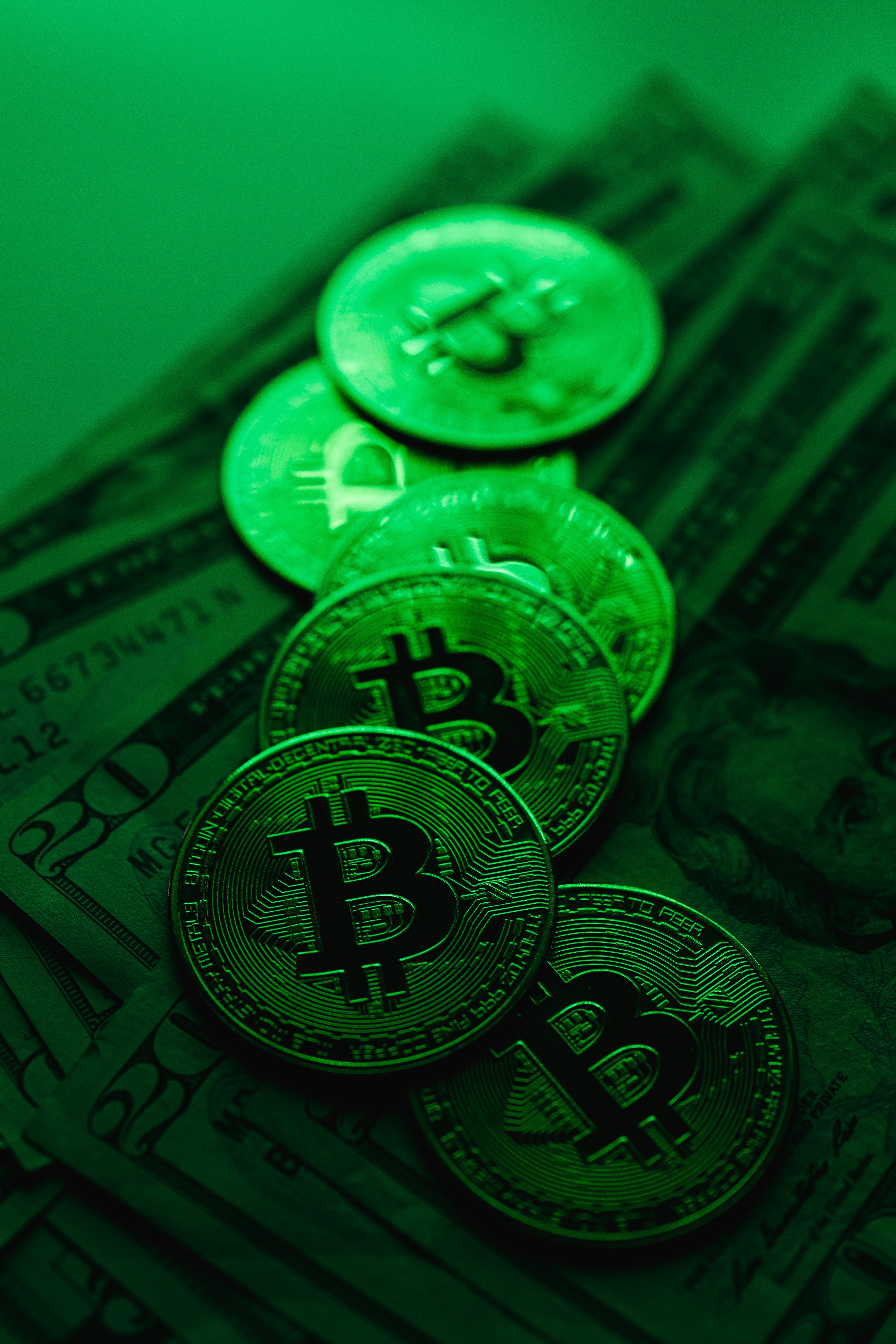
Exchange-traded funds (ETFs) and cryptocurrencies are two popular investment options that have gained significant attention in recent years. Both offer unique opportunities for investors to diversify their portfolios and potentially earn substantial returns. In this article, we will explore the landscape of ETFs and cryptocurrencies in Sweden and the Netherlands, comparing the adoption and regulation of these investment vehicles in both countries. Sweden has been at the forefront of embracing both ETFs and cryptocurrencies. The country has a well-established financial market with a strong emphasis on innovation and technology. Swedish investors have access to a wide range of ETFs covering various asset classes, including equities, bonds, and commodities. Additionally, the Swedish government has taken a proactive approach to regulating cryptocurrencies, recognizing them as legitimate forms of payment and investment. In contrast, the Netherlands has been more cautious in adopting cryptocurrencies. While ETFs are popular among Dutch investors, the country has been slower to embrace digital assets. The Dutch government has implemented stricter regulations on cryptocurrencies, citing concerns about market volatility and security risks. Despite this, interest in cryptocurrencies is growing in the Netherlands, with more investors looking to explore this emerging asset class. When it comes to investing in ETFs, both Sweden and the Netherlands offer a diverse selection of options for investors. ETFs provide a cost-effective way to gain exposure to a diversified portfolio of assets, making them an attractive option for both novice and experienced investors. In Sweden, ETFs are widely available through online platforms and traditional brokerage firms, making them accessible to a broad range of investors. In the Netherlands, ETF adoption is also on the rise, with more investors recognizing the benefits of these passive investment vehicles. On the other hand, investing in cryptocurrencies presents a higher level of risk and volatility compared to ETFs. While Swedish investors have shown a greater appetite for cryptocurrencies, Dutch investors remain cautious due to regulatory uncertainties. Cryptocurrency exchanges and trading platforms are subject to scrutiny in both countries, with regulators working to establish clear guidelines to protect investors and prevent fraud. In conclusion, the landscape of ETFs and cryptocurrencies in Sweden and the Netherlands reflects the broader trend of digital transformation in the financial industry. While both countries offer unique opportunities for investors to diversify their portfolios, differences in regulation and adoption impact the investment decisions of individuals in each country. Whether you prefer the stability of ETFs or the potential high returns of cryptocurrencies, understanding the market dynamics in Sweden and the Netherlands can help you make informed investment choices.


