The Truth About ETFs and Cryptocurrency in Nigeria
Category : coinculator |
Sub Category : coinculator Posted on 2024-09-07 22:25:23
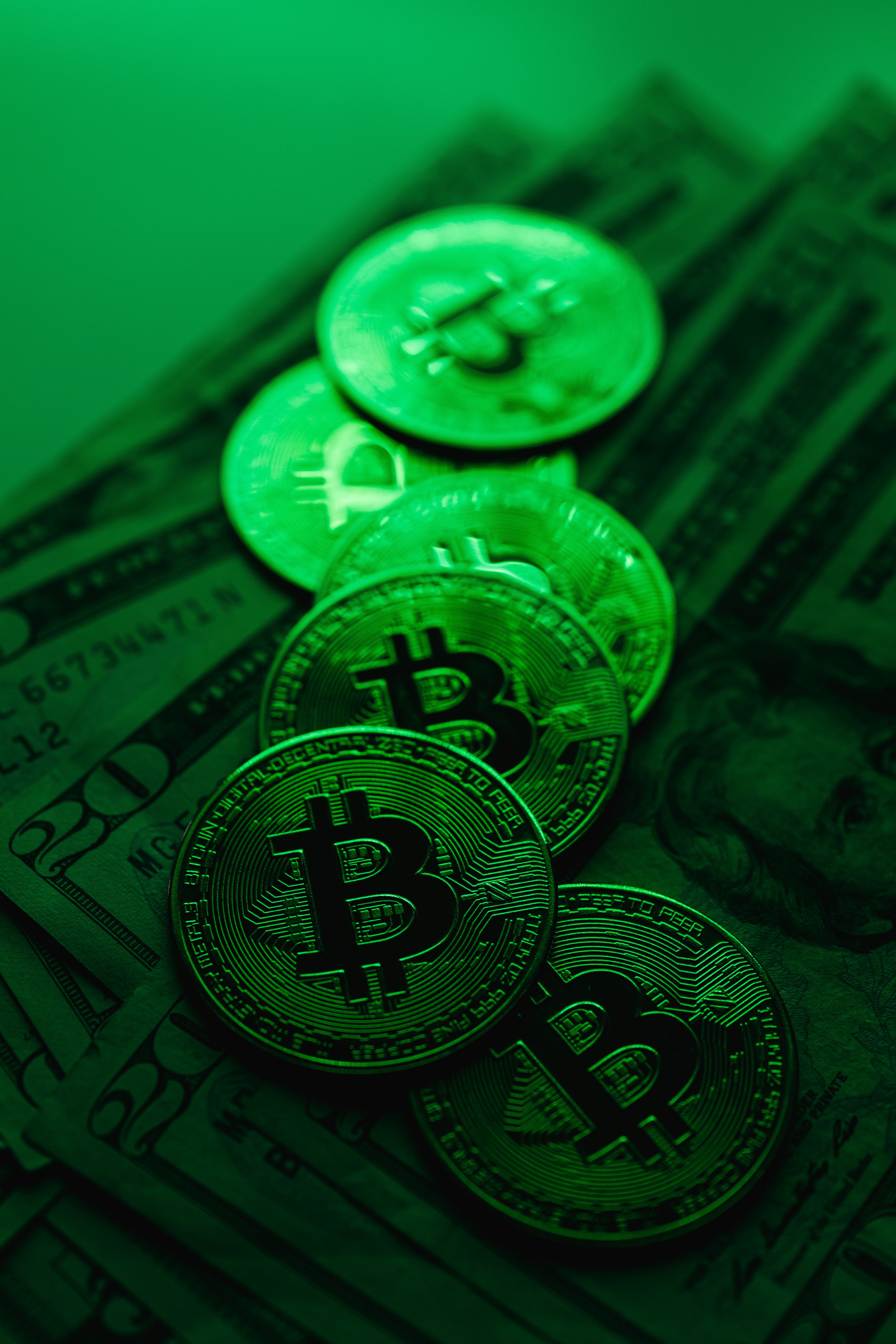
In recent years, Exchange-Traded Funds (ETFs) and cryptocurrencies have gained significant attention in the global financial market. As the adoption of these investment vehicles continues to grow, many investors in Nigeria are looking to capitalize on the opportunities they present. However, it is essential to separate fact from fiction when it comes to ETFs and cryptocurrencies to make informed investment decisions. ETFs are investment funds that are traded on stock exchanges, similar to individual stocks. They offer investors exposure to a diversified portfolio of assets, such as stocks, bonds, or commodities, in a single security. ETFs are popular among investors for their low costs, tax efficiency, and liquidity. In Nigeria, ETFs are gaining traction as a way for retail investors to access a diversified portfolio of assets without the need for significant capital outlay. Cryptocurrencies, on the other hand, are digital or virtual currencies that use cryptography for security. The most well-known cryptocurrency is Bitcoin, but there are thousands of other cryptocurrencies available in the market. Cryptocurrencies offer decentralization, transparency, and fast transaction speeds, making them an attractive option for some investors in Nigeria who are looking to diversify their portfolios or hedge against traditional financial systems. When it comes to the news surrounding ETFs and cryptocurrencies in Nigeria, it is important to be cautious and discerning. While there are many legitimate investment opportunities in both ETFs and cryptocurrencies, there are also risks and scams to be aware of. It is crucial for investors to conduct thorough research, seek advice from financial experts, and only invest in products and platforms that are regulated and reputable. In Nigeria, the regulatory landscape for ETFs and cryptocurrencies is still evolving. The Securities and Exchange Commission (SEC) has taken steps to regulate the securities market, including ETFs, to protect investors and ensure market integrity. However, the regulation of cryptocurrencies is still a work in progress, with the Central Bank of Nigeria issuing warnings about the risks associated with trading and investing in digital currencies. In conclusion, ETFs and cryptocurrencies offer exciting investment opportunities for individuals in Nigeria looking to diversify their portfolios and potentially generate higher returns. By staying informed, conducting due diligence, and being cautious of risks, investors can navigate the world of ETFs and cryptocurrencies responsibly. It is crucial to seek advice from financial professionals and stay updated on regulatory developments to make sound investment decisions in this ever-evolving space. For a different angle, consider what the following has to say. https://www.sanning.org


