Navigating Contradictions: The Intersection of Gaming ETFs and Cryptocurrency Investments
Category : coinculator |
Sub Category : coinculator Posted on 2024-09-07 22:25:23
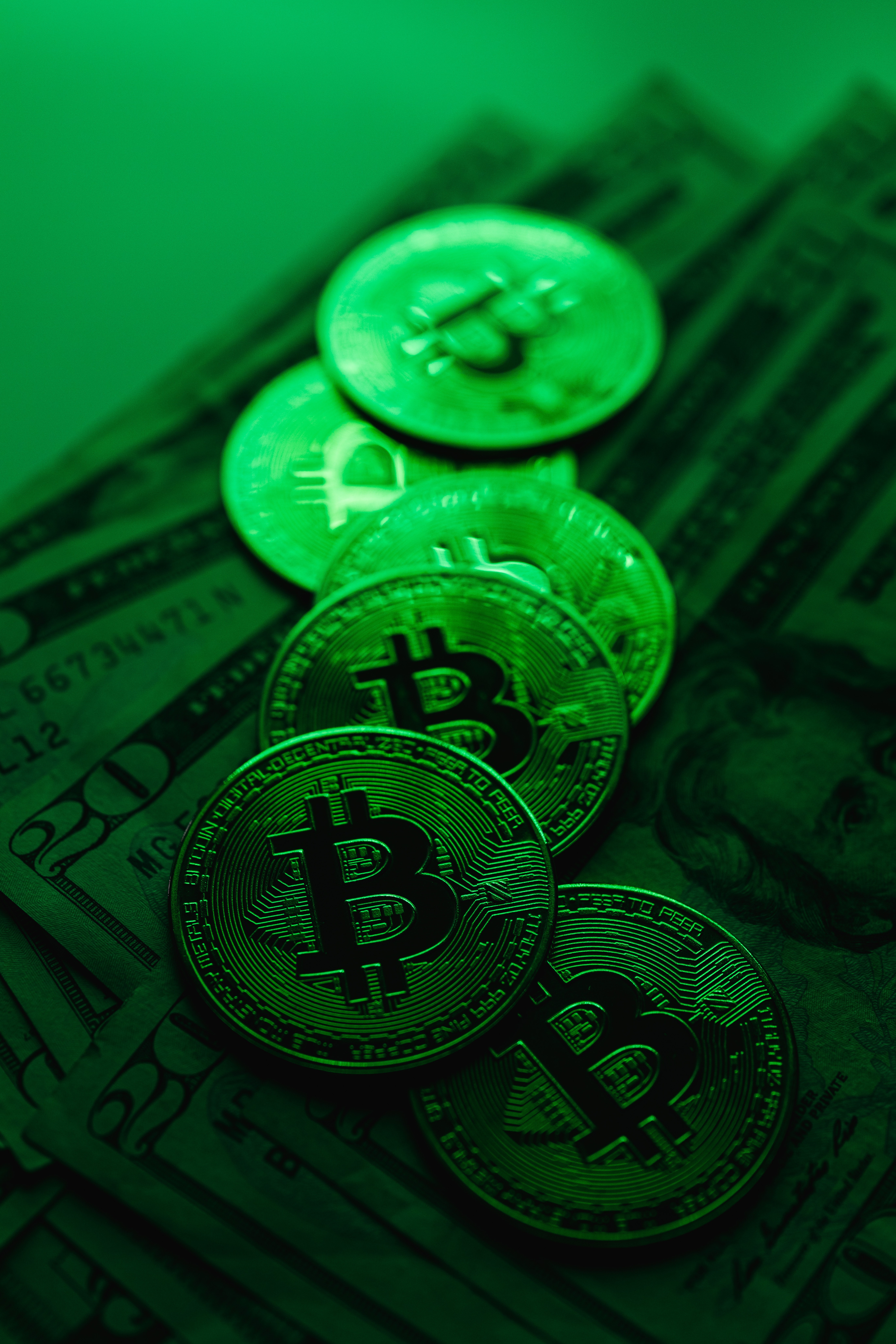
In the dynamic world of investing, two popular options have gained momentum in recent years: Gaming exchange-traded funds (ETFs) and cryptocurrencies. While both offer unique opportunities for investors to diversify their portfolios and potentially generate significant returns, they also present contrasting characteristics and potential contradictions that investors should carefully consider. Gaming ETFs have emerged as a prominent investment vehicle for those looking to capitalize on the growth of the gaming industry. These funds typically consist of a diversified portfolio of stocks from companies involved in various aspects of the gaming sector, including game developers, hardware manufacturers, and esports organizations. With the global gaming market continuing to expand rapidly, investing in gaming ETFs can be a strategic way to gain exposure to this thriving industry. On the other hand, cryptocurrencies such as Bitcoin and Ethereum have captured the attention of investors seeking alternative assets with the potential for high returns. The decentralized nature of cryptocurrencies, coupled with their disruptive technology and growing adoption, has led many to view them as a viable investment opportunity. However, the volatile nature of the cryptocurrency market means that investing in these digital assets carries inherent risks and uncertainties. When considering the intersection of gaming ETFs and cryptocurrency investments, several contradictions come to light. One key difference is the underlying assets that these investment options represent. Gaming ETFs are tied to the performance of companies in the gaming industry, which are subject to traditional market forces and industry dynamics. In contrast, cryptocurrencies operate on a decentralized network and are influenced by factors such as regulatory developments, technological advancements, and market sentiment. Additionally, the risk profiles of gaming ETFs and cryptocurrencies vary significantly. Gaming ETFs offer a more stable and predictable investment option, as they are tied to established companies with track records of performance. Conversely, cryptocurrencies are known for their price volatility, with the potential for substantial gains as well as steep losses within short time frames. For investors looking to navigate the contradictions between gaming ETFs and cryptocurrencies, a balanced approach is key. Diversifying a portfolio with a mix of traditional assets, gaming ETFs, and cryptocurrencies can help mitigate risks and capture opportunities across different sectors of the market. Conducting thorough research, understanding the unique characteristics of each investment option, and being mindful of market trends are essential steps for making informed investment decisions. In conclusion, the intersection of gaming ETFs and cryptocurrencies presents investors with intriguing opportunities and challenges. By recognizing the contradictions between these two investment options and adopting a strategic investment approach, investors can position themselves to capitalize on the growth potential of the gaming industry and the evolving landscape of digital assets. As with any investment decision, careful consideration, risk management, and a long-term perspective are essential for navigating the complexities of the market and achieving financial goals.


