Navigating the Impact of Hyperinflation on Hotels, ETFs, and Crypto Currency
Category : coinculator |
Sub Category : coinculator Posted on 2024-09-07 22:25:23
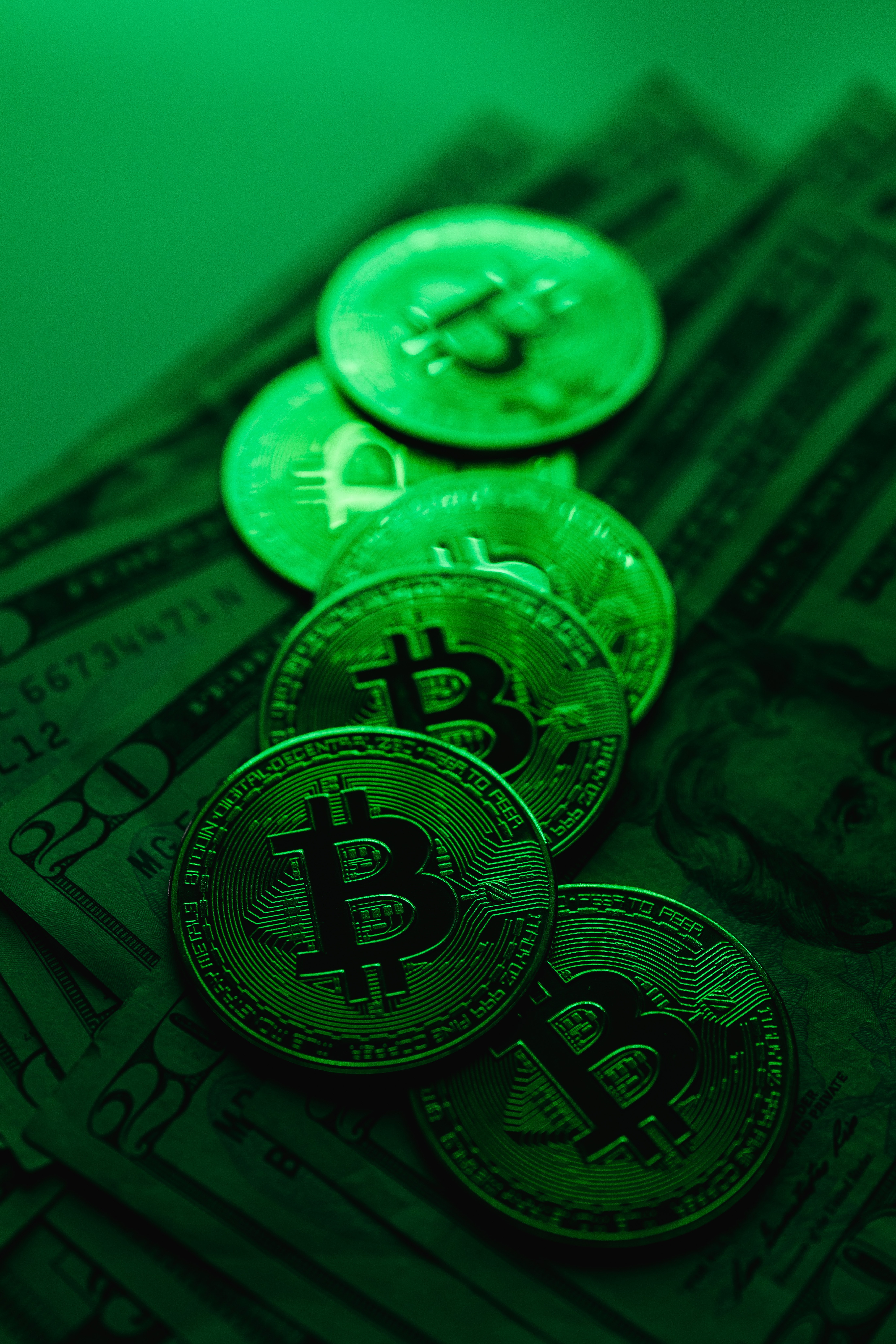
In recent times, the global economy has witnessed a surge in inflation rates, with certain sectors like hotels, exchange-traded funds (ETFs), and cryptocurrencies facing unique challenges due to this economic phenomenon. hyperinflation, characterized by spiraling price increases, can have a significant impact on these industries. By exploring how hyperinflation affects hotels, ETFs, and cryptocurrencies, we can better understand the strategies and implications for investors and consumers alike. Hotels are one of the industries that can be particularly vulnerable to hyperinflation. As prices rise rapidly, the cost of operations for hotels also increases, impacting everything from utility bills to staff wages. In hyperinflationary environments, hotels may struggle to maintain profitability, leading to potential closures or decreased quality of service. This can have a ripple effect on tourism and travel industries, affecting both businesses and consumers. ETFs, which are investment funds traded on stock exchanges, can also be influenced by hyperinflation. Inflation erodes the purchasing power of a currency, affecting the value of assets held within ETFs. Investors in ETFs may see reduced returns or losses as the prices of underlying securities fluctuate in response to inflationary pressures. As such, it is crucial for investors to diversify their portfolios and consider inflation-hedging strategies to mitigate the impact of hyperinflation. Cryptocurrencies, including Bitcoin and Ethereum, have gained popularity as digital assets that offer potential protection against inflation. While traditional fiat currencies may depreciate in value due to hyperinflation, cryptocurrencies are decentralized and not subject to government manipulation. This feature has attracted investors seeking alternative stores of value during times of economic uncertainty. However, cryptocurrencies are also known for their price volatility, which can be exacerbated by hyperinflation events. In response to hyperinflation, investors in hotels, ETFs, and cryptocurrencies may need to adopt different strategies to safeguard their investments. Diversification, inflation-hedging assets, and risk management are key considerations in navigating the challenges posed by hyperinflation. For hotels, cost-cutting measures and strategic pricing strategies may help mitigate the impact of rising inflation. ETF investors can explore inflation-protected securities or commodities to hedge against inflationary risks. Cryptocurrency investors may choose to allocate a portion of their portfolio to digital assets as a potential hedge against hyperinflation. In conclusion, hyperinflation can pose significant challenges for hotels, ETFs, and cryptocurrencies, impacting operations, investment returns, and consumer behaviors. By understanding the implications of hyperinflation on these industries and implementing appropriate risk management strategies, investors can better navigate the uncertain economic landscape. Ultimately, staying informed, diversifying portfolios, and adapting to changing market conditions are essential for mitigating the effects of hyperinflation on hotels, ETFs, and cryptocurrencies.


