Navigating Hyperinflation: Understanding ETFs, Crypto Currency, and Their Impact on Art and Design
Category : coinculator |
Sub Category : coinculator Posted on 2024-09-07 22:25:23
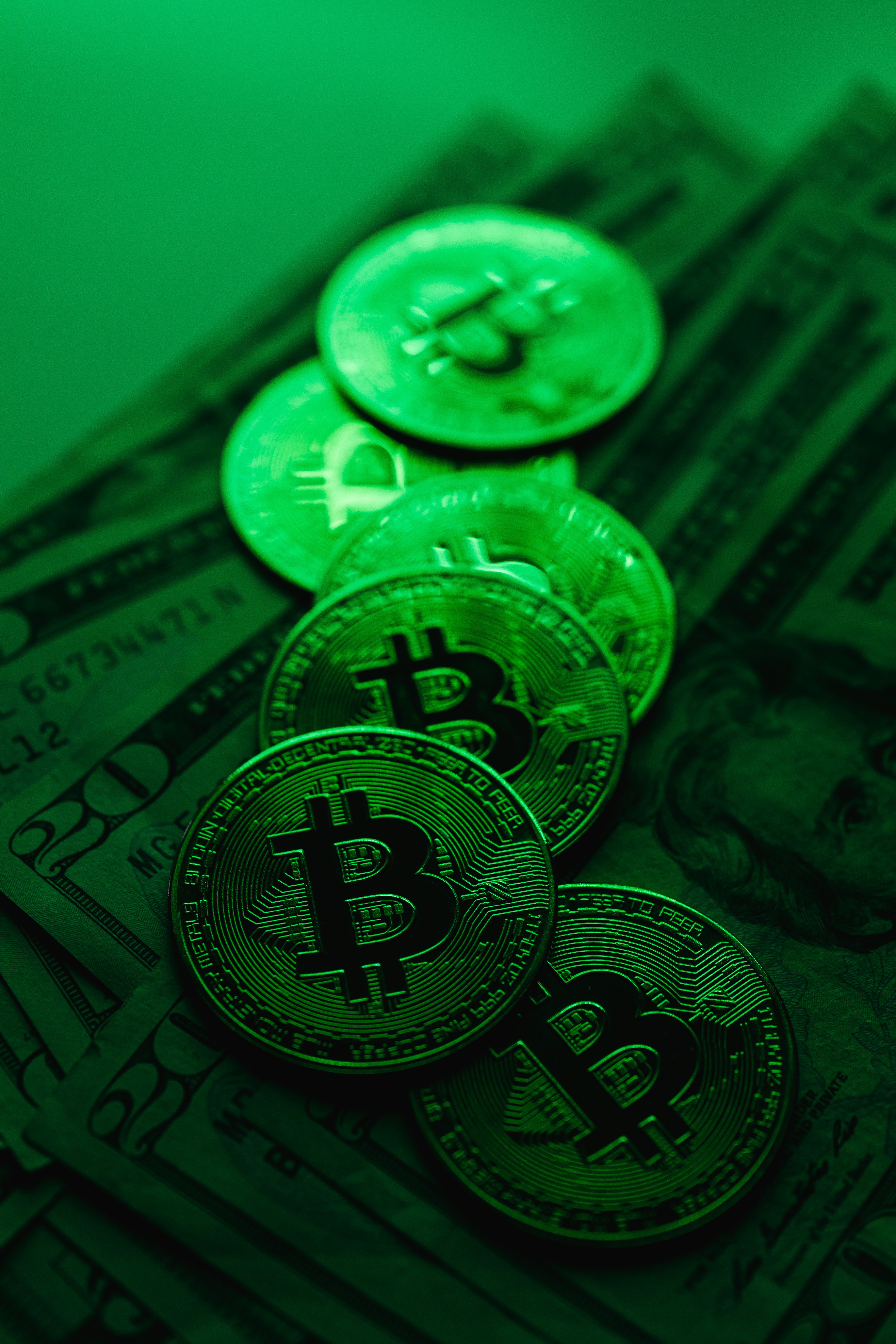
In times of hyperinflation, investors seek alternative assets to safeguard their wealth and hedge against the eroding value of traditional fiat currencies. Two popular options that have gained traction in recent years are Exchange-Traded Funds (ETFs) and cryptocurrencies. But how do these financial instruments impact the art and design industry? ETFs have emerged as a convenient way for investors to gain exposure to a diversified portfolio of assets, including stocks, bonds, and commodities. During hyperinflation, ETFs can serve as a relatively stable investment option, as they are not tied to a single currency and can provide a hedge against inflationary pressures. Investors can choose from a variety of ETFs that track different sectors or asset classes, allowing them to customize their investment strategy based on their risk tolerance and investment goals. On the other hand, cryptocurrencies like Bitcoin and Ethereum have captured the imagination of investors looking for decentralized and digital forms of money. Cryptocurrencies are often seen as a store of value and a hedge against inflation, given their limited supply and immunity to government manipulation. In hyperinflationary environments, cryptocurrencies can offer a safe haven for investors seeking to preserve their purchasing power and protect their assets from currency devaluation. The intersection of ETFs, cryptocurrencies, and hyperinflation has also had a profound impact on the art and design industry. As traditional financial markets experience volatility and uncertainty, investors are increasingly turning to alternative assets like art and collectibles as stores of value. The rise of NFTs (non-fungible tokens) has revolutionized the way art is bought and sold, with digital artworks fetching record prices and blurring the lines between art, technology, and finance. Additionally, the growing interest in cryptocurrencies has led to a surge in crypto art, where artists create digital artworks that are tokenized and sold on blockchain platforms. This intersection of art, design, and technology has opened up new possibilities for artists to reach a global audience and gain recognition in the crypto community. In conclusion, navigating hyperinflation requires a diversified investment strategy that includes ETFs, cryptocurrencies, and alternative assets like art and design. By understanding the impact of these financial instruments on different industries, investors can better protect their wealth and capitalize on emerging opportunities in a rapidly changing economic landscape. As always, investors should conduct thorough research and seek advice from financial professionals before making any investment decisions in ETFs, cryptocurrencies, or art and design assets.


