Hyperinflation is a dire economic situation that can wreak havoc on a country's currency and economy. It is characterized by a rapid and uncontrollable increase in prices, leading to a significant decrease in the purchasing power of the local currency. One way investors may seek to protect their assets during periods of hyperinflation is by turning to certain financial instruments like Exchange-Traded Funds (ETFs) and cryptocurrencies.
Category : coinculator |
Sub Category : coinculator Posted on 2024-09-07 22:25:23
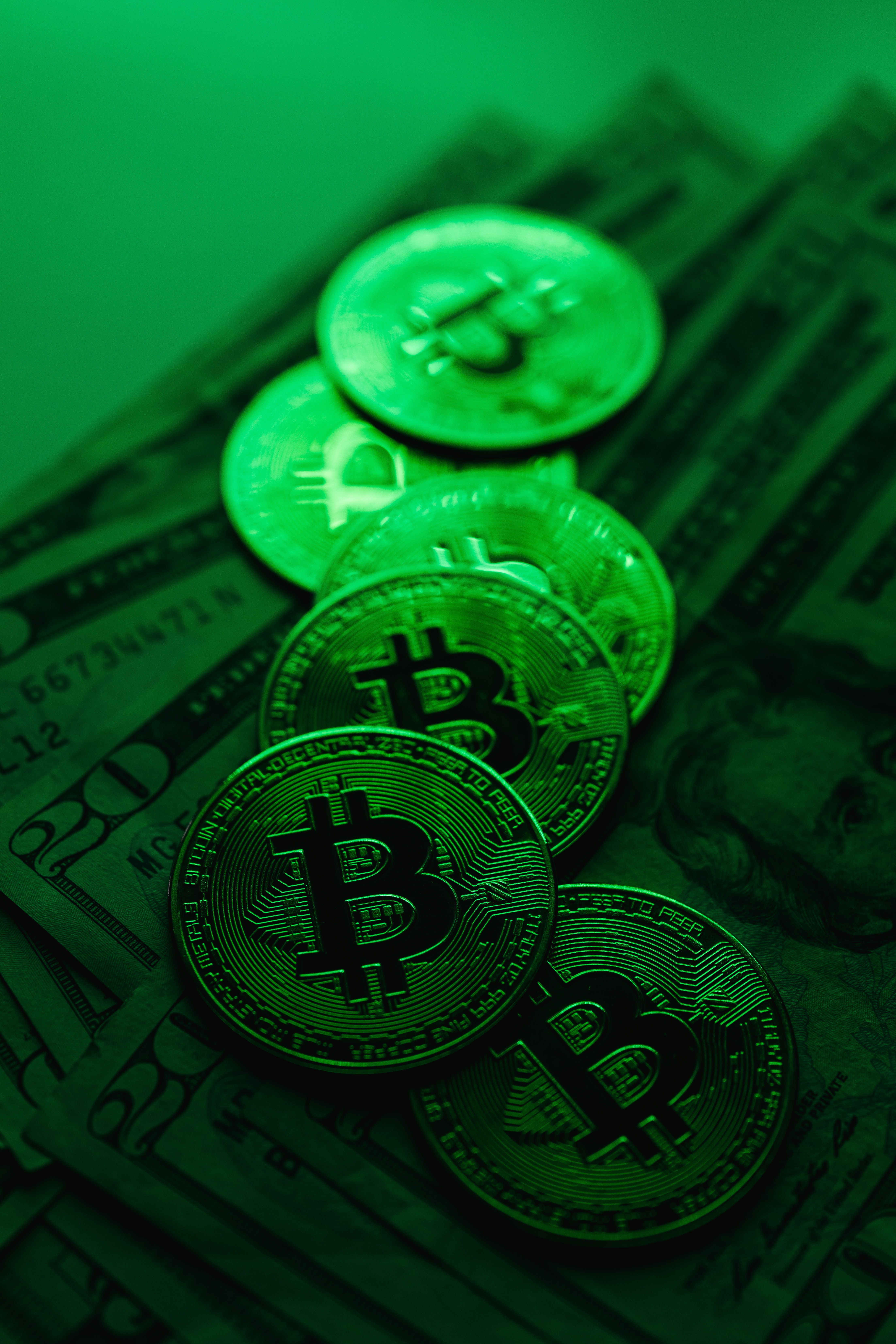
Exchange-Traded Funds (ETFs) are a type of investment fund that is traded on stock exchanges, much like individual stocks. These funds can hold a variety of assets, such as stocks, bonds, or commodities, and offer investors exposure to a diversified portfolio of assets. During times of hyperinflation, investors may opt to invest in ETFs that track commodities like gold, silver, or other precious metals, as these assets have historically served as a hedge against inflation. On the other hand, Cryptocurrencies have gained popularity as an alternative investment option during times of economic uncertainty, including periods of hyperinflation. Cryptocurrencies are digital or virtual currencies that use cryptography for security and operate independently of a central authority, making them immune to government interference or manipulation. Investors who are concerned about the devaluation of fiat currencies may turn to cryptocurrencies as a store of value. When discussing hyperinflation, it’s important to recognize historical instances of hyperinflation in different cultures, including the Assyrians. The Assyrians were a powerful ancient civilization that thrived in the Near East, known for their military prowess and advanced culture. While hyperinflation as a modern economic concept may not have affected the Assyrians directly, their economic practices and use of currency offer valuable lessons for understanding the impact of inflation on historical societies. In conclusion, hyperinflation can have devastating effects on economies and currencies, prompting investors to explore alternative investment options like ETFs and cryptocurrencies. By diversifying their portfolios and considering assets that may hold their value during times of inflation, investors can better protect their wealth. Studying historical examples, such as the Assyrians, can provide insights into how different cultures have navigated economic challenges and managed currency fluctuations throughout history.


