Hyperinflation, ETFs, and Cryptocurrencies: A Look at Brussels, Belgium
Category : coinculator |
Sub Category : coinculator Posted on 2024-09-07 22:25:23
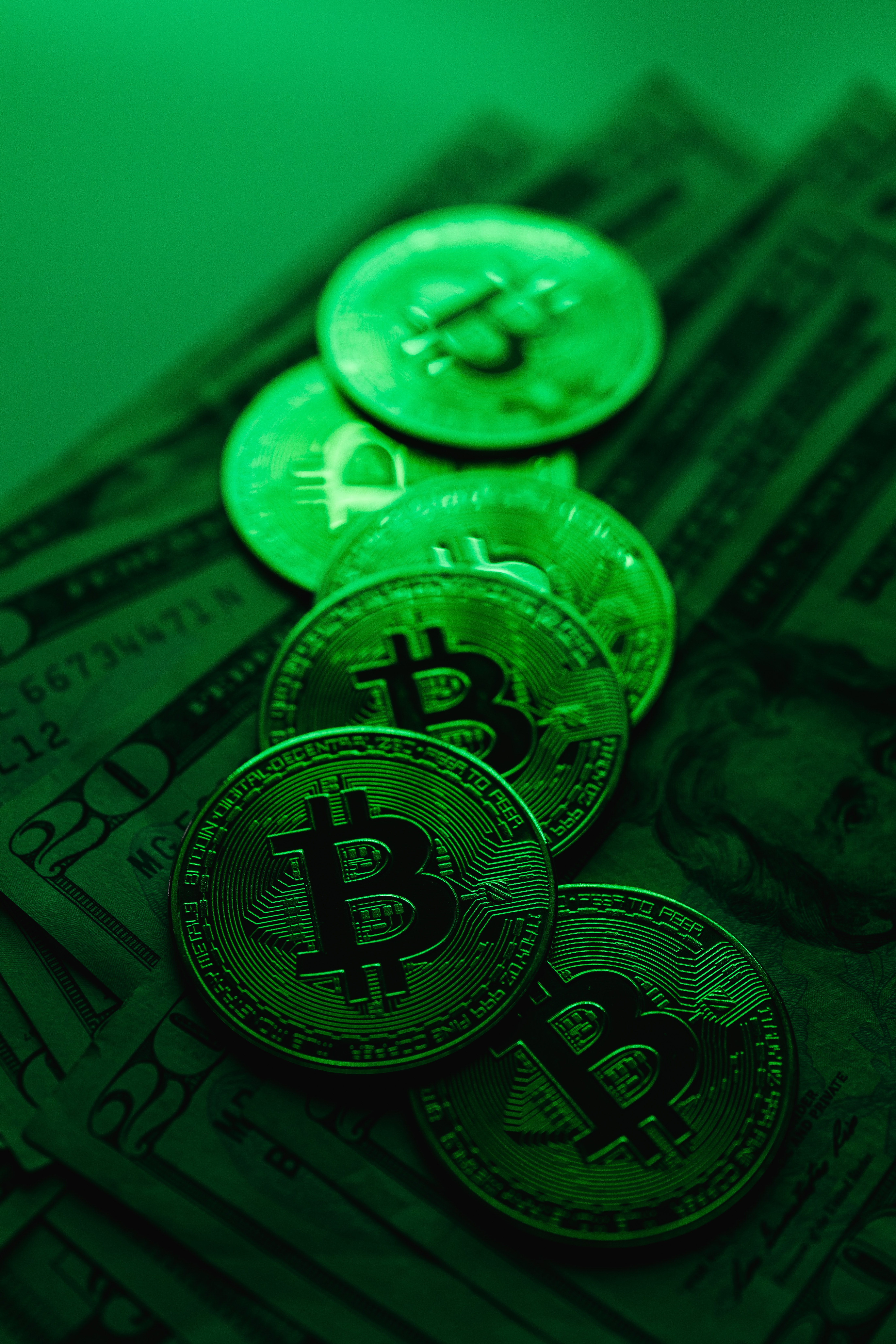
Hyperinflation is a concerning economic phenomenon that can have significant impacts on a country's currency and overall financial stability. In times of hyperinflation, the value of a currency rapidly decreases, leading to a surge in prices for goods and services. This can erode the purchasing power of consumers, disrupt economic activities, and create uncertainty in the market. Brussels, the capital city of Belgium and a key financial hub in Europe, has not been immune to the effects of hyperinflation. As the heart of the European Union, Brussels plays a crucial role in shaping economic policies that impact the region and beyond. In the face of hyperinflation, investors in Brussels have been exploring various investment options, including Exchange-Traded Funds (ETFs) and cryptocurrencies, to protect their wealth and hedge against inflation. ETFs, which are investment funds traded on stock exchanges, offer investors a diversified portfolio of assets that can help mitigate risk during times of economic uncertainty. In the context of hyperinflation, investors in Brussels may turn to ETFs that focus on commodities, precious metals, or foreign currencies as a way to safeguard their wealth. These ETFs provide exposure to assets that have historically performed well during inflationary periods, offering a potential hedge against the erosion of purchasing power caused by hyperinflation. In addition to ETFs, cryptocurrencies have emerged as an alternative investment option for individuals seeking to diversify their portfolios and hedge against inflation. Cryptocurrencies, such as Bitcoin and Ethereum, operate independently of traditional financial systems and central banks, making them potentially resistant to the effects of hyperinflation. In Brussels, cryptocurrency adoption has been on the rise, with an increasing number of investors and businesses embracing digital assets as a store of value and a medium of exchange. While ETFs and cryptocurrencies offer potential benefits in the context of hyperinflation, investors in Brussels should be mindful of the risks involved. ETFs are subject to market fluctuations and management fees, while cryptocurrencies are known for their volatility and regulatory uncertainties. It is important for investors to conduct thorough research, assess their risk tolerance, and seek professional advice before making investment decisions in the face of hyperinflation. In conclusion, hyperinflation poses challenges for investors in Brussels, Belgium, and around the world. By diversifying their portfolios and exploring alternative investment options such as ETFs and cryptocurrencies, investors can better position themselves to navigate the uncertainties brought about by hyperinflation. As the economic landscape continues to evolve, staying informed and adapting investment strategies accordingly will be crucial for investors in Brussels to protect and grow their wealth in the face of hyperinflation.


