Navigating Hyperinflation with ETFs and Cryptocurrencies: A Glimpse into the Situation in Burma/Myanmar
Category : coinculator |
Sub Category : coinculator Posted on 2024-09-07 22:25:23
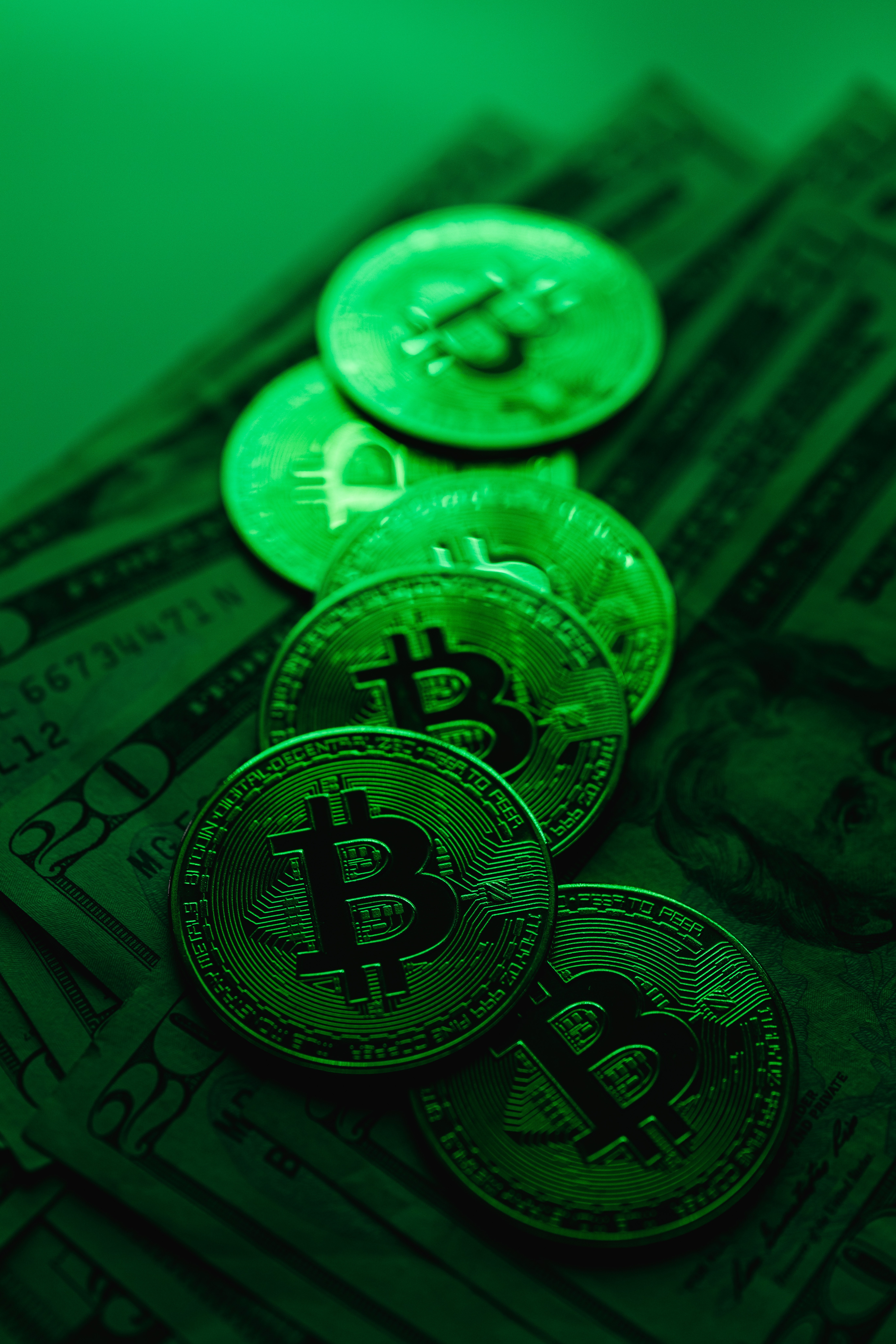
Introduction: Hyperinflation is a phenomenon that has devastating effects on economies and the lives of people living in affected countries. Burma, also known as Myanmar, is no stranger to hyperinflation, with its history marred by economic instability. In such turbulent times, investors and individuals are seeking refuge in alternative investment options like Exchange-Traded Funds (ETFs) and cryptocurrencies to protect their assets against the eroding effects of hyperinflation. Understanding Hyperinflation in Burma/Myanmar: Burma/Myanmar has struggled with hyperinflation due to various factors such as economic mismanagement, political instability, and external sanctions. The rapid devaluation of the local currency has led to soaring prices of essential goods and services, making it challenging for the population to maintain their purchasing power. Investing in ETFs to Mitigate Hyperinflation Risk: ETFs offer investors a diversified investment option that can help mitigate the risks associated with hyperinflation. By investing in ETFs that track stable assets like precious metals, foreign currencies, or commodities, individuals in Burma/Myanmar can protect their wealth from the devaluation of the local currency. Cryptocurrencies as a Hedge Against Hyperinflation: Another avenue that individuals in Burma/Myanmar are exploring is investing in cryptocurrencies like Bitcoin and Ethereum. Cryptocurrencies are decentralized digital assets that are not tied to any government or central bank, making them a popular choice in regions facing hyperinflation. The limited supply and borderless nature of cryptocurrencies make them an attractive hedge against fiat currency devaluation. Challenges and Considerations: While ETFs and cryptocurrencies offer alternative investment options in hyperinflationary environments, there are challenges and considerations to keep in mind. The volatility of cryptocurrencies and the regulatory environment surrounding them can pose risks for investors. Similarly, investing in ETFs requires a good understanding of the underlying assets and market conditions to make informed decisions. Conclusion: In the face of hyperinflation in Burma/Myanmar, investors and individuals are turning to ETFs and cryptocurrencies as a means to preserve their wealth and protect against the eroding effects of inflation. While these alternative investment options come with their own set of challenges, they offer a glimmer of hope for those seeking financial stability in turbulent times. By diversifying their investment portfolios and staying informed about market trends, individuals in hyperinflationary economies can navigate the storm and emerge more resilient against economic uncertainties.


