Navigating Hyperinflation: Exploring ETFs and Cryptocurrencies for Financial Equality and Equity
Category : coinculator |
Sub Category : coinculator Posted on 2024-09-07 22:25:23
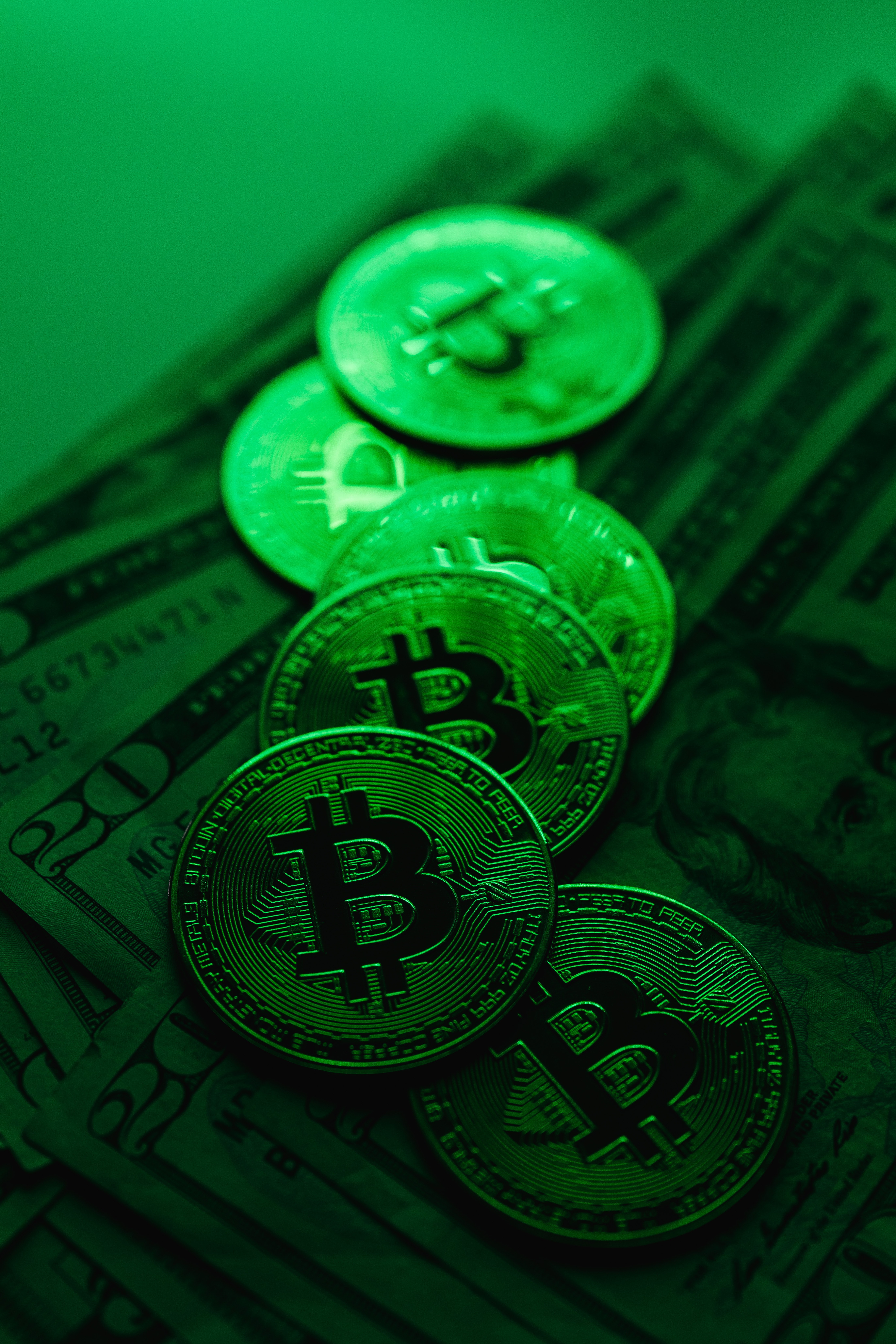
In today's volatile economic landscape, the terms hyperinflation, ETFs, and cryptocurrencies are becoming increasingly relevant as individuals seek to safeguard their wealth and ensure financial equality and equity. In this post, we will delve into the impact of hyperinflation on traditional investment vehicles such as ETFs and the rising popularity of cryptocurrencies as a potential alternative for preserving value and promoting financial inclusivity. Hyperinflation, characterized by an unchecked increase in prices and a sharp decline in the value of a currency, can erode purchasing power and destabilize economies. In times of hyperinflation, traditional investment options such as stocks and bonds may struggle to keep pace with escalating prices, leading investors to explore alternative avenues to protect their assets. Exchange-traded funds (ETFs) have long been considered a popular investment choice due to their diversification benefits and ease of trading on stock exchanges. However, in the face of hyperinflation, ETF returns may be diminished as inflation erodes the real value of underlying assets. Investors may need to reassess their ETF holdings and consider alternative strategies to hedge against hyperinflationary pressures. This is where cryptocurrencies come into play. Cryptocurrencies, such as Bitcoin and Ethereum, operate on decentralized blockchain technology and are often hailed for their inflation-resistant properties. Unlike fiat currencies that can be devalued by central banks, cryptocurrencies have fixed supplies and are immune to the effects of hyperinflation. As a result, more individuals are turning to cryptocurrencies as a store of value and a hedge against economic instability. Furthermore, cryptocurrencies have the potential to promote financial equality and equity by providing access to financial services for underserved populations. With a smartphone and internet connection, individuals in developing countries can participate in the global economy through cryptocurrency transactions, bypassing traditional banking systems and barriers to entry. In conclusion, navigating hyperinflation requires a comprehensive understanding of the investment landscape and a willingness to explore alternative options such as cryptocurrencies alongside traditional vehicles like ETFs. By diversifying one's investment portfolio and embracing innovative technologies, individuals can strive towards financial equality and equity in an ever-changing economic environment. Whether you choose to invest in ETFs or cryptocurrencies, staying informed and adaptable is key to weathering the storm of hyperinflation and safeguarding your financial future.


