Hyperinflation: Understanding Its Impact on ETFs and Cryptocurrencies
Category : coinculator |
Sub Category : coinculator Posted on 2024-09-07 22:25:23
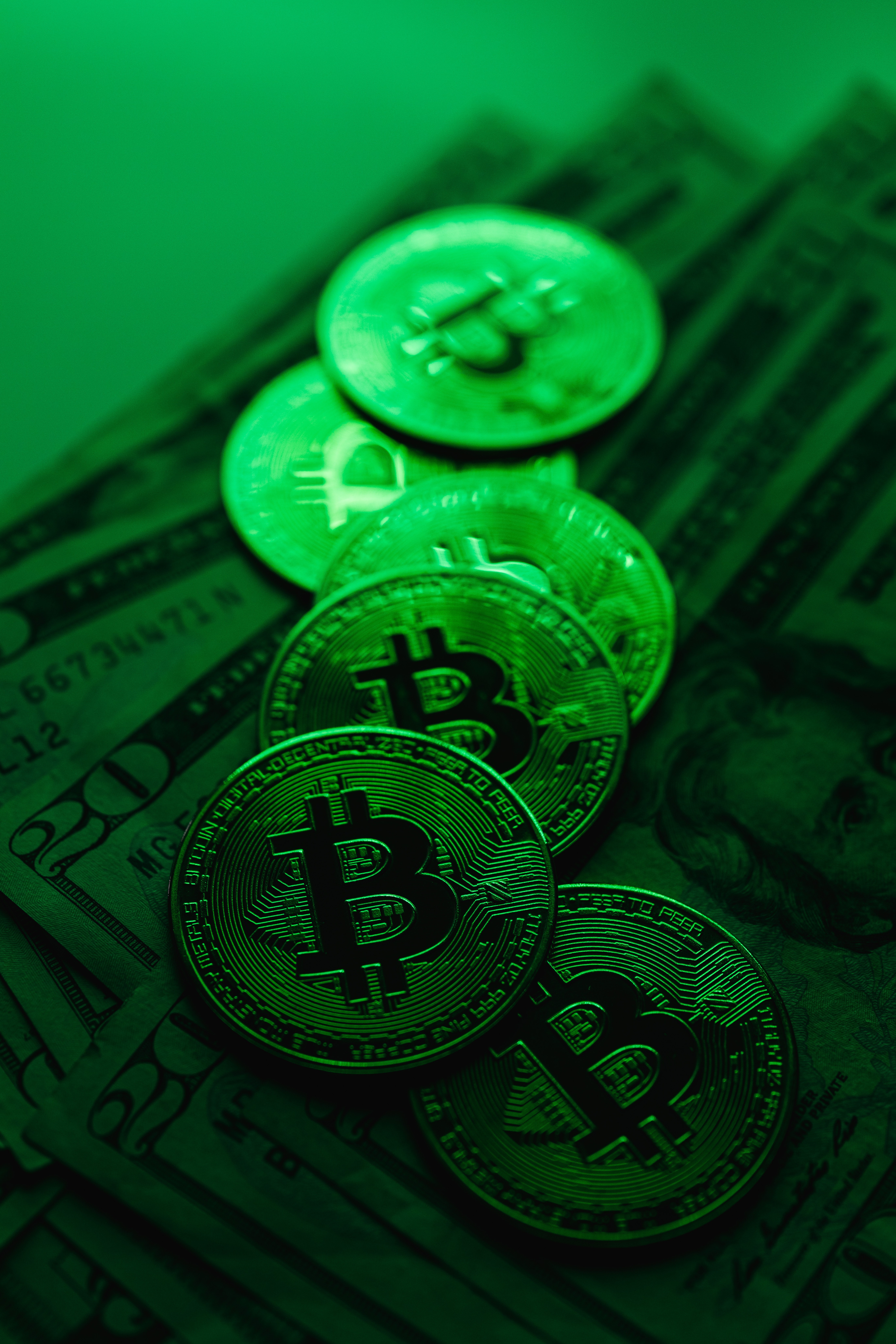
Hyperinflation is a term that strikes fear into the hearts of investors and economists alike. It is characterized by a rapid and uncontrollable increase in the prices of goods and services, leading to a loss in the purchasing power of a currency. When hyperinflation strikes, traditional investments like stocks and bonds can lose value rapidly, prompting investors to seek alternative assets to protect their wealth. In this blog post, we will explore the impact of hyperinflation on two popular investment options - ETFs (Exchange-Traded Funds) and cryptocurrencies. Both of these investment vehicles have gained popularity in recent years as investors look for ways to diversify their portfolios and hedge against inflation. Let's delve into how hyperinflation can affect ETFs and cryptocurrencies and the strategies investors can consider during times of economic turmoil. ETFs are investment funds that are traded on stock exchanges, much like individual stocks. They typically hold a basket of assets such as stocks, bonds, commodities, or a combination of these. ETFs are valued based on the underlying assets they hold, and their prices can fluctuate based on market conditions. During periods of hyperinflation, ETFs can be negatively impacted as the value of the underlying assets may erode due to the depreciating currency. Investors may see their ETF investments lose value in real terms as the purchasing power of the currency diminishes. To protect against the negative effects of hyperinflation on ETFs, investors can consider several strategies. One approach is to invest in ETFs that are specifically designed to hedge against inflation, such as gold or commodity ETFs. These assets tend to perform well during periods of inflation as their prices typically rise with the cost of living. Additionally, investors can diversify their ETF holdings across different sectors and asset classes to spread risk and potentially minimize the impact of hyperinflation on their portfolios. Cryptocurrencies, on the other hand, have emerged as a popular alternative investment during times of economic uncertainty. Digital currencies like Bitcoin and Ethereum operate independently of traditional financial systems and are not directly influenced by government policies or central bank actions. This decentralized nature makes cryptocurrencies potentially attractive during hyperinflationary environments, as they can provide a hedge against currency devaluation. However, investing in cryptocurrencies comes with its own set of risks. The volatile nature of the crypto market can lead to significant price fluctuations, which may not always correlate with the impact of hyperinflation on traditional assets. Investors considering cryptocurrencies as a hedge against hyperinflation should conduct thorough research, understand the risks involved, and be prepared for the inherent volatility of this asset class. In conclusion, hyperinflation can have a profound impact on ETFs and cryptocurrencies, affecting the value of these investments and the purchasing power of investors. By understanding the risks associated with hyperinflation and implementing appropriate investment strategies, investors can navigate uncertain economic conditions and potentially protect their wealth. Diversification, hedging with inflation-resistant assets, and careful consideration of the risks involved are key components of a sound investment approach during times of hyperinflation. Seeking expert advice? Find it in https://www.ensayo.org


