Exploring the Intersection of Cryptocurrency and Ancient Civilizations in Japan
Category : coinculator |
Sub Category : coinculator Posted on 2024-09-07 22:25:23
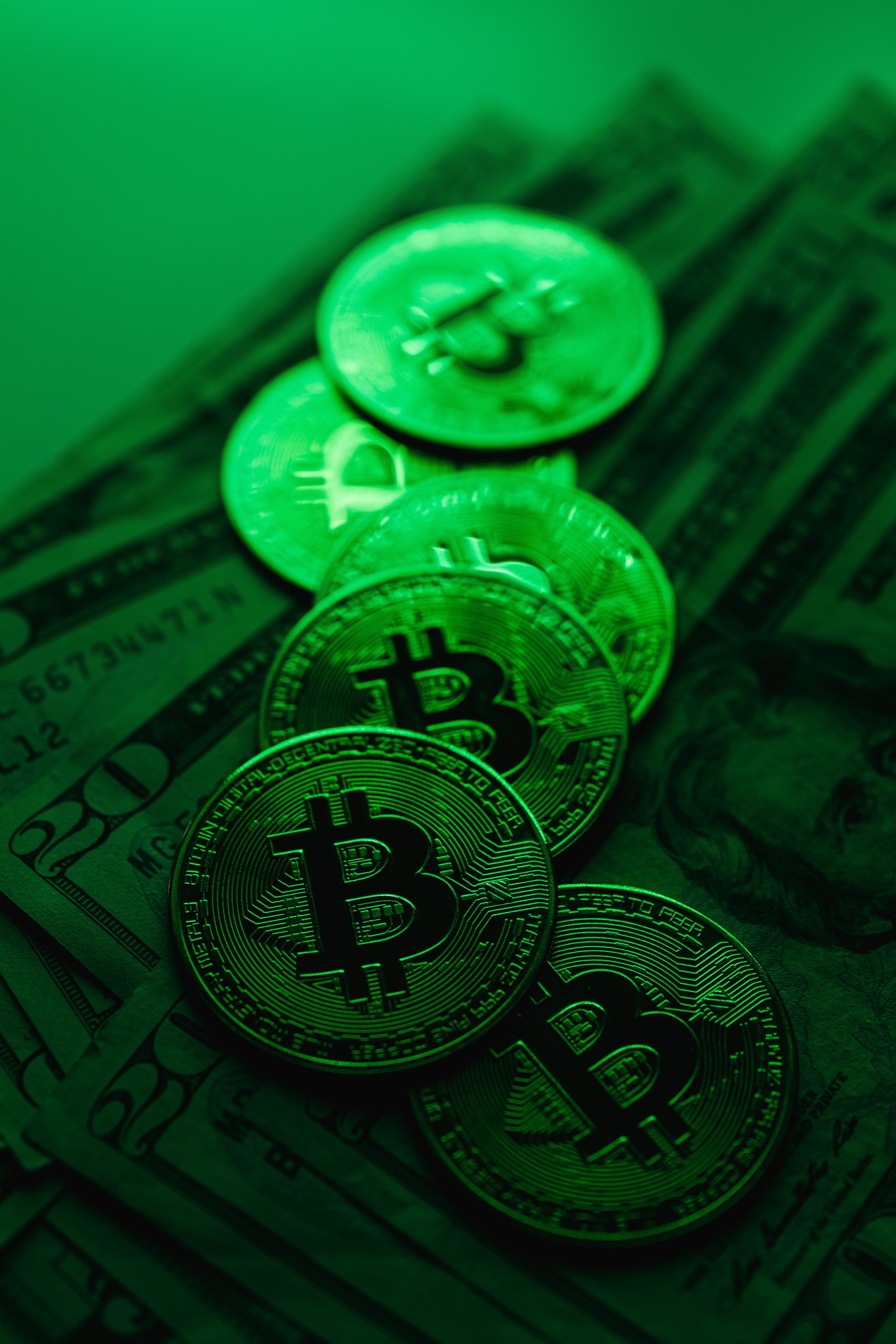
cryptocurrency, a digital form of currency that relies on encryption techniques to regulate the creation of new units and verify transactions, has revolutionized the way we think about money and finance in the modern world. But what if we told you that the concept of a decentralized digital currency has echoes in ancient civilizations, particularly in Japan? In this blog post, we will delve into the fascinating intersection of cryptocurrency and ancient Japanese civilizations. Japan has a rich history of innovation and technological advancement, dating back thousands of years. The Japanese were early adopters of metal coinage, with the first minted coins appearing in the 8th century. These coins were used for trade and commerce, much like modern cryptocurrencies are used today. One of the most intriguing connections between cryptocurrency and ancient Japanese civilizations lies in the concept of decentralized governance. In ancient Japan, power was often decentralized, with local leaders and communities making decisions collectively. This system of decentralized governance mirrors the decentralized nature of blockchain technology, which forms the backbone of cryptocurrencies like Bitcoin and Ethereum. Furthermore, the Japanese value of privacy and anonymity has similarities with the principles of anonymity and pseudonymity that underpin many cryptocurrencies. In ancient Japan, individuals often used pseudonyms or adopted alternative identities for various reasons, including privacy and security. Similarly, cryptocurrency users can transact anonymously, protecting their identities and financial information. Another interesting parallel between cryptocurrency and ancient Japanese civilizations is the concept of trustless transactions. In a trustless transaction, parties can engage in exchanges without needing to trust each other, relying instead on the security and transparency of the blockchain. In ancient Japan, trust was established through formalized rituals and protocols, ensuring the integrity of transactions and agreements. The notion of scarcity, a key feature of many cryptocurrencies that helps maintain their value, can also be seen in ancient Japanese practices. For example, certain rare and valuable items, such as gold or silk, were used as currency in ancient Japan, emphasizing the importance of scarcity in maintaining the value of a medium of exchange. In conclusion, the intersection of cryptocurrency and ancient Japanese civilizations offers a thought-provoking perspective on the evolution of money and finance. By exploring the parallels between decentralized governance, privacy, trustless transactions, and scarcity in both contexts, we can gain a deeper appreciation for the innovative spirit of ancient civilizations and the potential of cryptocurrency to reshape our financial landscape. As we continue to navigate the complexities of the digital age, looking back at the wisdom and ingenuity of ancient civilizations like Japan can provide valuable insights into how we can leverage technology to create a more equitable and efficient financial system. The lessons of the past can inspire us to embrace the possibilities of the future, where cryptocurrency and ancient civilizations intersect in a fascinating tapestry of innovation and resilience.


