Exploring DIY Crypto Currency Programming Experiments
Category : coinculator |
Sub Category : coinculator Posted on 2024-09-07 22:25:23
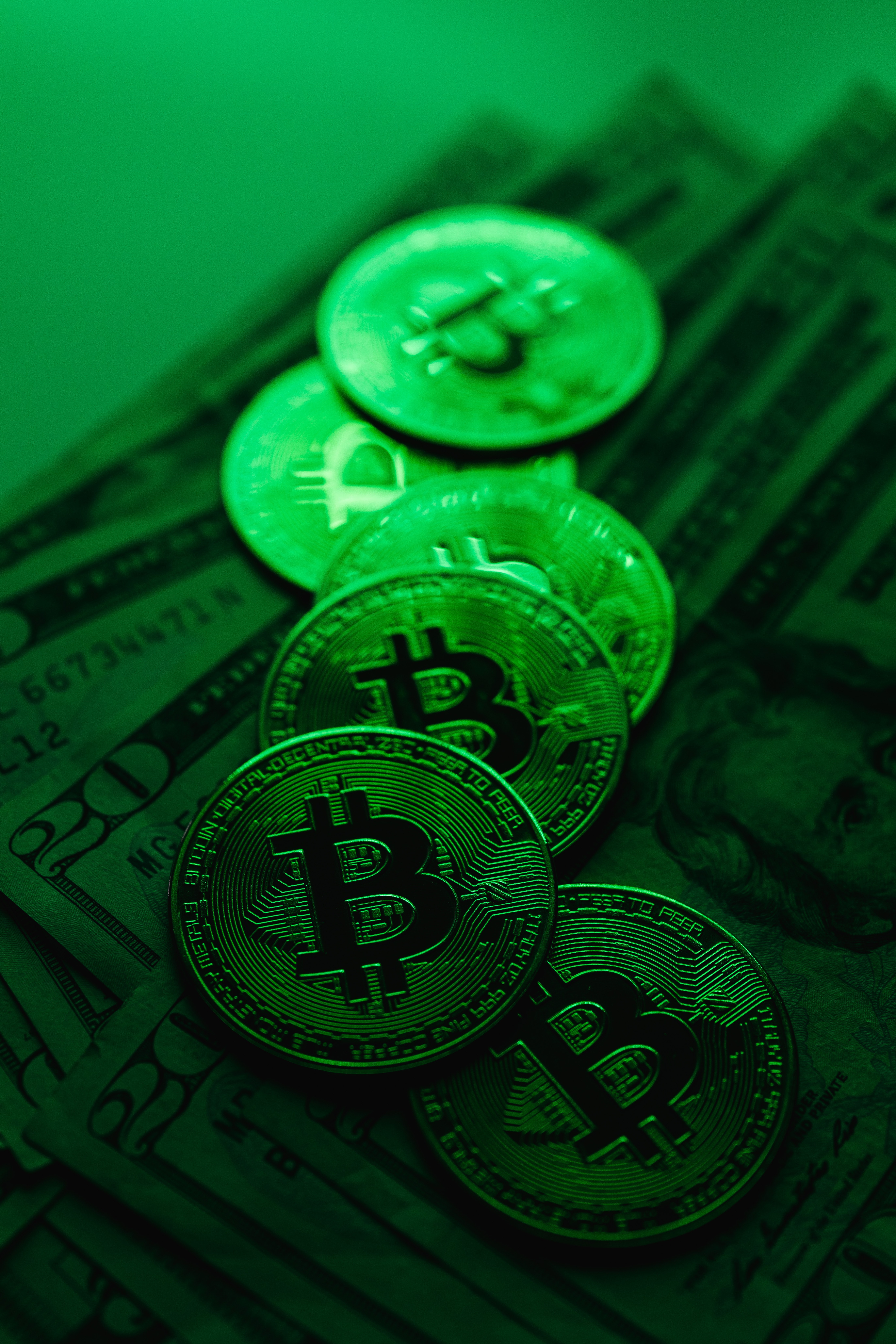
In the world of programming and technology, the rise of cryptocurrency has been a critical development that continues to evolve. For those who are interested in both programming and the world of digital currencies, exploring do-it-yourself (DIY) experiments can be a fascinating way to delve deeper into the realm of crypto. Creating your own cryptocurrency from scratch can be a challenging but rewarding experience for programmers looking to understand the inner workings of digital currencies. By engaging in DIY experiments with crypto programming, individuals can gain valuable insights into blockchain technology, consensus mechanisms, and cryptographic algorithms. One of the fundamental aspects of programming a cryptocurrency involves designing and implementing the blockchain, which serves as the decentralized ledger that records all transactions. Understanding how blocks are created, verified, and added to the chain is essential for building a secure and reliable cryptocurrency network. In addition to blockchain development, experimenting with consensus algorithms such as Proof of Work (PoW) or Proof of Stake (PoS) can provide valuable hands-on experience in understanding how transactions are validated and added to the blockchain. These cryptographic algorithms play a crucial role in securing the network and preventing double-spending attacks. Furthermore, delving into the world of smart contracts and decentralized applications (DApps) can open up new possibilities for DIY crypto experiments. By programming smart contracts on platforms like Ethereum, developers can explore automated, self-executing contracts that run on the blockchain and enable a wide range of decentralized applications. As with any experimental project, it is essential to approach DIY crypto programming with caution and attention to security best practices. Properly securing private keys, implementing robust encryption methods, and thoroughly testing code are all critical steps to ensure the integrity and security of your cryptocurrency project. In conclusion, diving into the world of DIY crypto programming experiments can be a valuable learning experience for programmers looking to explore the intersection of technology and finance. By experimenting with blockchain development, consensus algorithms, smart contracts, and more, individuals can gain a deeper understanding of how cryptocurrencies work and potentially contribute to the innovation and evolution of the digital currency landscape. also for more info https://www.droope.org Get more at https://www.svop.org Seeking in-depth analysis? The following is a must-read. https://www.mimidate.com Explore this subject further for a deeper understanding. https://www.grauhirn.org Seeking more information? The following has you covered. https://www.tknl.org


