Scam Advocacy: Understanding the Risks in ETFs and Cryptocurrency Investments
Category : coinculator |
Sub Category : coinculator Posted on 2024-09-07 22:25:23
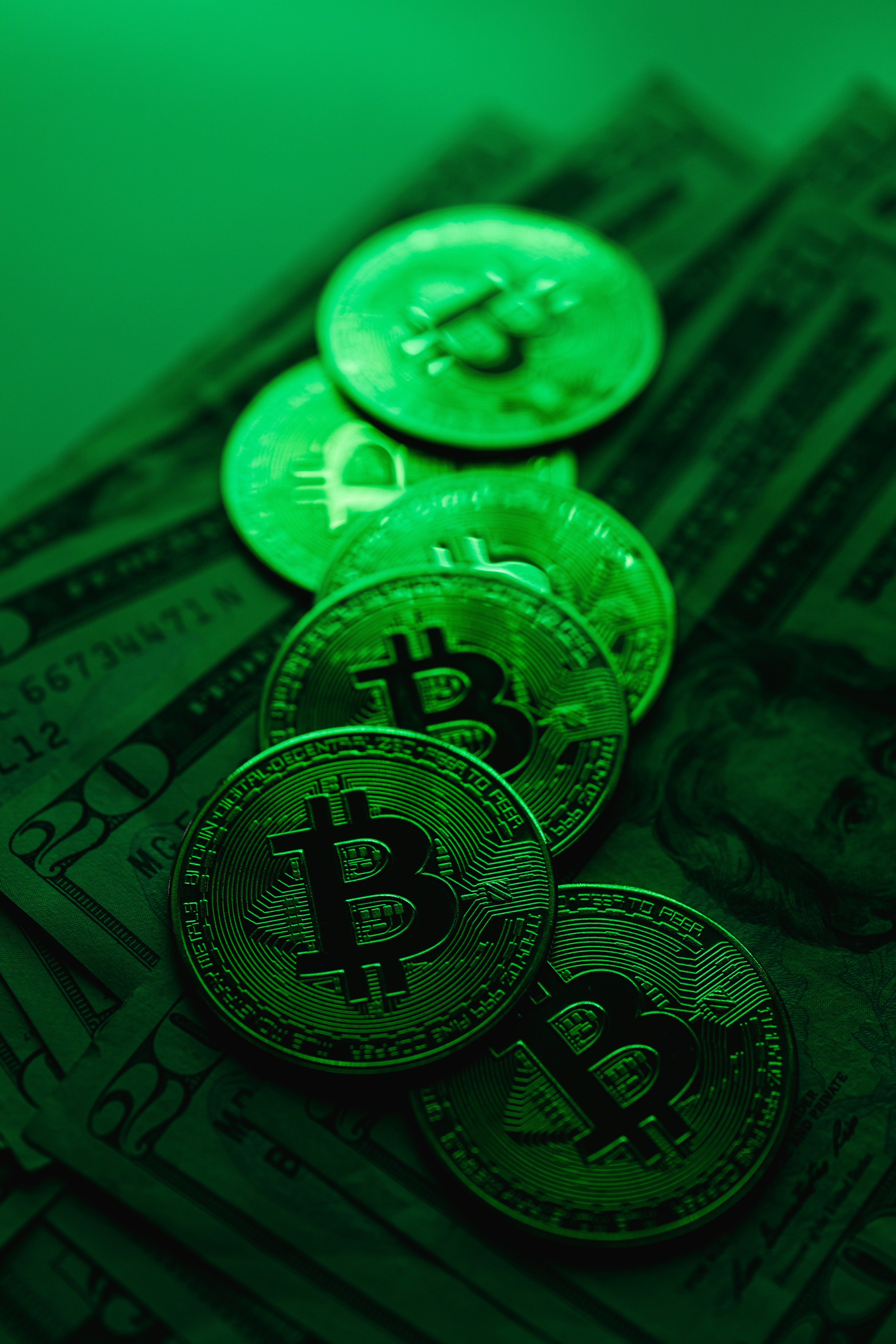
In the world of finance, Exchange-Traded Funds (ETFs) and cryptocurrency have gained popularity as investment options. While these avenues offer potential for significant returns, they also come with inherent risks that investors need to be aware of. Unfortunately, there are also scams that target unsuspecting individuals looking to capitalize on these opportunities. In this blog post, we will delve into the risks associated with ETFs and cryptocurrency investments and provide tips on how to protect yourself from potential scams. Exchange-Traded Funds (ETFs) are investment funds that are traded on stock exchanges, similar to individual stocks. They offer diversification benefits by holding a basket of assets such as stocks, bonds, or commodities. Despite their benefits, ETFs carry market risk, liquidity risk, and tracking error risk. Market risk refers to the inherent volatility of financial markets, which can lead to fluctuations in the value of the underlying assets. Liquidity risk arises when an ETF cannot be easily bought or sold at a fair price due to a lack of market participants. Tracking error risk occurs when an ETF fails to replicate the performance of its benchmark index accurately. When it comes to cryptocurrency investments, the risks are even more pronounced. cryptocurrencies are digital assets that use blockchain technology for transactions. The decentralized nature of cryptocurrencies makes them susceptible to hacking, fraud, and regulatory risks. Additionally, the speculative nature of the cryptocurrency market means that prices can be highly volatile, leading to significant gains or losses in a short period. Unfortunately, scammers take advantage of the growing interest in ETFs and cryptocurrency to lure individuals into fraudulent schemes. Common scams include Ponzi schemes, fake ICOs (Initial Coin Offerings), and phishing attacks. Ponzi schemes promise high returns with little to no risk, using funds from new investors to pay returns to earlier investors. Fake ICOs solicit investments for nonexistent projects or companies, leaving investors with worthless tokens. Phishing attacks involve fraudulent emails or websites that trick individuals into revealing their personal information or transferring funds to scammers. To protect yourself from scams in ETFs and cryptocurrency investments, here are some tips to keep in mind: 1. Do your research: Before investing in any ETF or cryptocurrency, thoroughly research the asset, its underlying technology, and the team behind it. 2. Diversify your investments: Spread your investments across different assets to reduce the risk of significant losses. 3. Be wary of schemes that promise high returns with little risk: If an investment opportunity sounds too good to be true, it probably is. 4. Keep your personal information secure: Avoid clicking on suspicious links or sharing sensitive information with unknown entities. 5. Consult with a financial advisor: Seek guidance from a professional advisor who can help you navigate the complexities of the investment landscape. In conclusion, while ETFs and cryptocurrency investments offer lucrative opportunities for investors, they also come with risks that individuals need to be mindful of. By understanding the risks associated with these investments and following sound investment practices, you can safeguard yourself from falling victim to scams in the financial markets. Stay informed, stay vigilant, and invest wisely. You can also Have a visit at https://www.advisedly.net


