When it comes to investing, it's important to be cautious and do thorough research before putting your money into any security or asset. In recent times, there has been an increasing number of scams involving China ETFs (Exchange-Traded Funds) and cryptocurrencies. Investors need to be aware of the risks associated with these investments and be vigilant in detecting potential scams.
Category : coinculator |
Sub Category : coinculator Posted on 2024-09-07 22:25:23
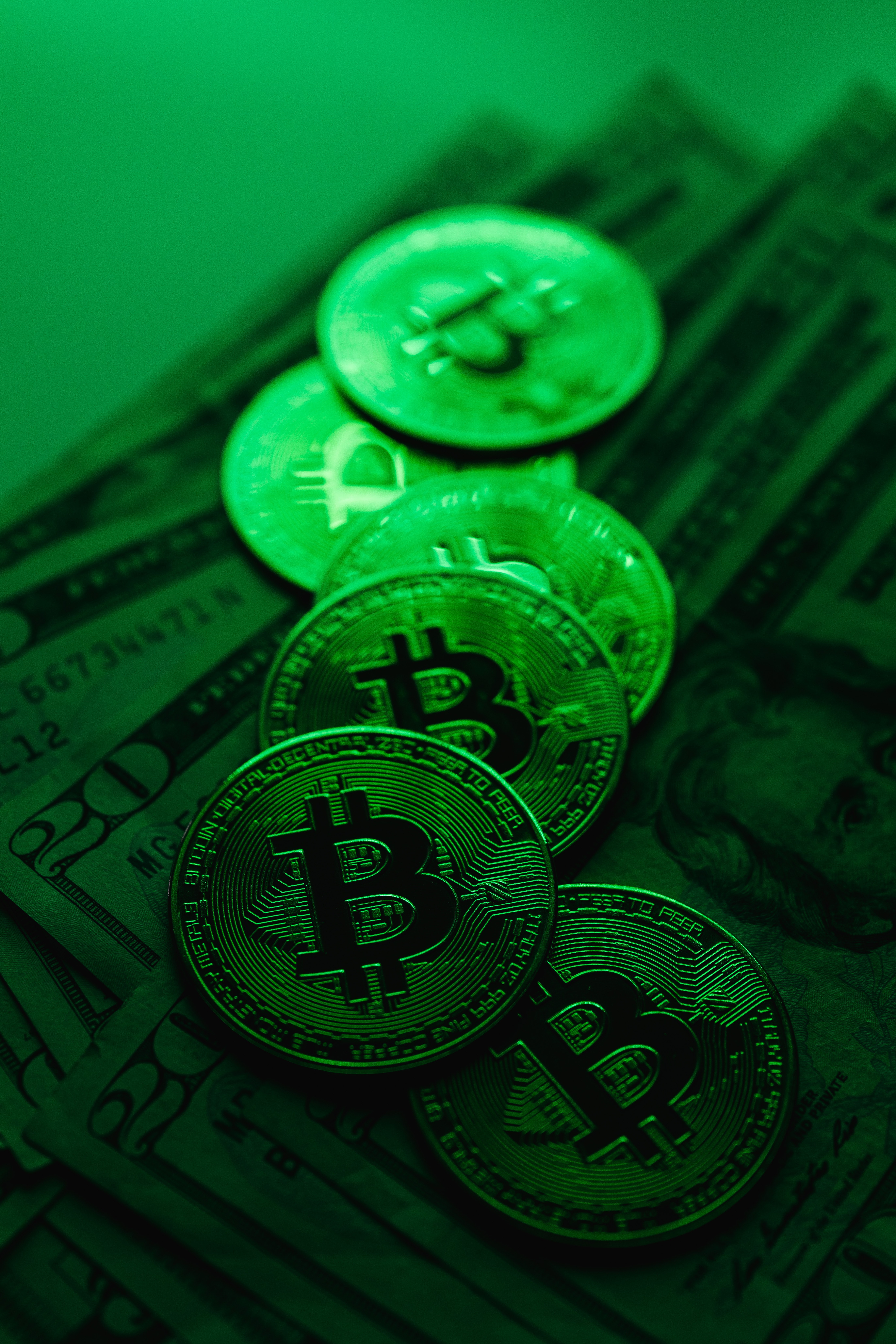
China ETFs are investment funds that hold assets such as stocks, commodities, or bonds and trade on stock exchanges. They provide investors with exposure to the Chinese market, offering opportunities for diversification and potential growth. However, the popularity of China ETFs has also attracted fraudulent schemes aimed at manipulating the market and deceiving investors. One common scam involving China ETFs is the creation of fake or unauthorized ETFs that purport to track the performance of Chinese stocks or assets. Unsuspecting investors may be drawn to these fraudulent ETFs due to their low fees or promises of high returns, only to realize later that they have fallen victim to a scam. Similarly, the world of cryptocurrency has also seen its fair share of scams, with China being a hotspot for cryptocurrency-related fraud. Scammers often use fake ICOs (Initial Coin Offerings), Ponzi schemes, or phishing tactics to dupe investors into parting with their hard-earned money. Investors who are not well-informed about the cryptocurrency market may easily fall prey to these scams. To protect themselves from falling victim to China ETF and cryptocurrency scams, investors should take the following precautions: 1. Do thorough research: Before investing in any China ETF or cryptocurrency, research the fund or asset thoroughly. Check the legitimacy of the fund manager, review the investment strategy, and look for any red flags that could indicate a scam. 2. Be wary of promises of high returns: Scammers often lure investors with promises of guaranteed high returns or low-risk investments. Remember that all investments carry some level of risk, and if an investment opportunity sounds too good to be true, it probably is. 3. Verify information independently: Don't rely solely on information provided by the investment promoter. Verify the information independently and seek advice from financial experts or advisors if needed. 4. Never give out personal information: Be cautious of phishing attempts or requests for personal information. Legitimate investment opportunities will not ask for sensitive information such as your bank account details or social security number. 5. Report suspicious activity: If you come across a potential scam or fraudulent activity, report it to the relevant authorities, such as the Securities and Exchange Commission (SEC) or the Financial Conduct Authority (FCA). By staying informed, conducting due diligence, and being vigilant, investors can protect themselves from falling victim to China ETF and cryptocurrency scams. Remember that when it comes to investing, it's always better to err on the side of caution and prioritize the security of your hard-earned money. Explore this subject further for a deeper understanding. https://www.cryptonics.net
https://toguangzhou.com
https://2gz.org
https://china-directory.com


