Cryptocurrency is a digital form of currency that has been gaining popularity in recent years. However, along with the rise of legitimate cryptocurrencies like Bitcoin and Ethereum, there has also been an increase in scams related to cryptocurrency. One of the latest trends in this regard is the use of artificial intelligence in so-called "crypto games."
Category : coinculator |
Sub Category : coinculator Posted on 2024-09-07 22:25:23
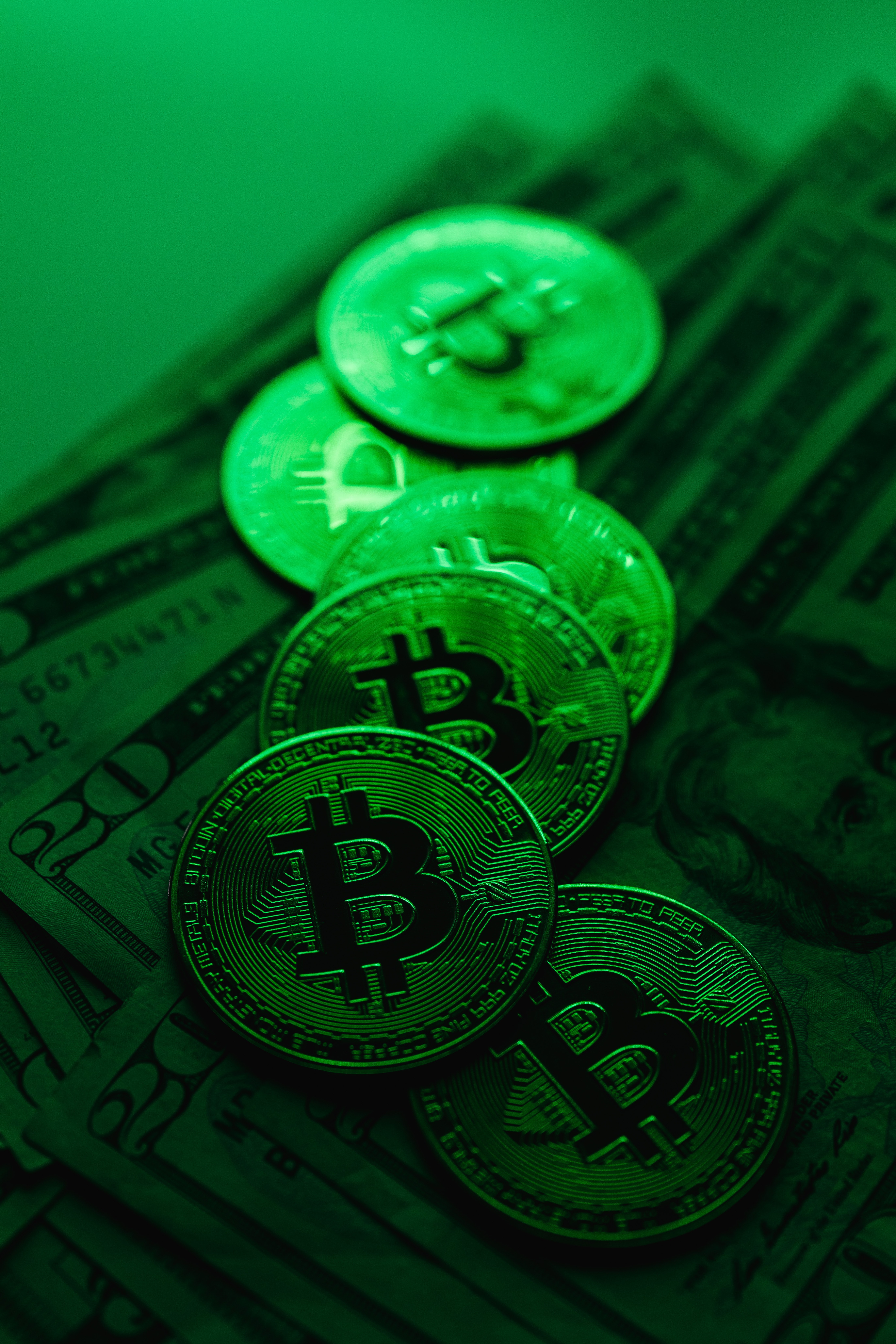
scam crypto games often promise high returns on investment through activities such as cryptocurrency trading or mining. They use artificial intelligence algorithms to create the illusion of sophisticated trading strategies or mining operations, luring in unsuspecting victims with promises of quick and easy profits. These scams may also incorporate elements of gamification to make the investment process more engaging and appealing to potential investors. One common tactic used by scam crypto games is to require participants to deposit a certain amount of cryptocurrency in order to participate. Once the cryptocurrency is deposited, the scammers may disappear with the funds, leaving investors with no way to recover their money. In some cases, the scammers may even manipulate the artificial intelligence algorithms to ensure that investors lose their money, while the scammers walk away with the profits. To protect themselves from falling victim to scam crypto games, investors should exercise caution and conduct thorough research before participating in any investment opportunity. They should also be wary of promises of high returns with little to no risk, as these are often red flags for potential scams. Additionally, investors should be skeptical of any investment opportunity that requires them to deposit funds without providing clear and transparent information about how those funds will be used. In conclusion, while artificial intelligence can be a powerful tool for legitimate cryptocurrency trading and investment, it is also being exploited by scammers in the form of scam crypto games. By staying informed and exercising caution, investors can avoid falling victim to these scams and protect their hard-earned money. For a broader exploration, take a look at https://www.coinmarketplayer.com sources: https://www.topico.net for more https://www.cryptonics.net To understand this better, read https://www.computacion.org


