In recent years, the financial world has seen a surge in interest in ETFs and cryptocurrencies. These investment options have gained popularity among both seasoned investors and newcomers looking to capitalize on the potential returns offered by these volatile assets. However, with this increased interest also comes a rise in scams and fraudulent activities, as well as concerns about corruption and the influence of religious power in the industry.
Category : coinculator |
Sub Category : coinculator Posted on 2024-09-07 22:25:23
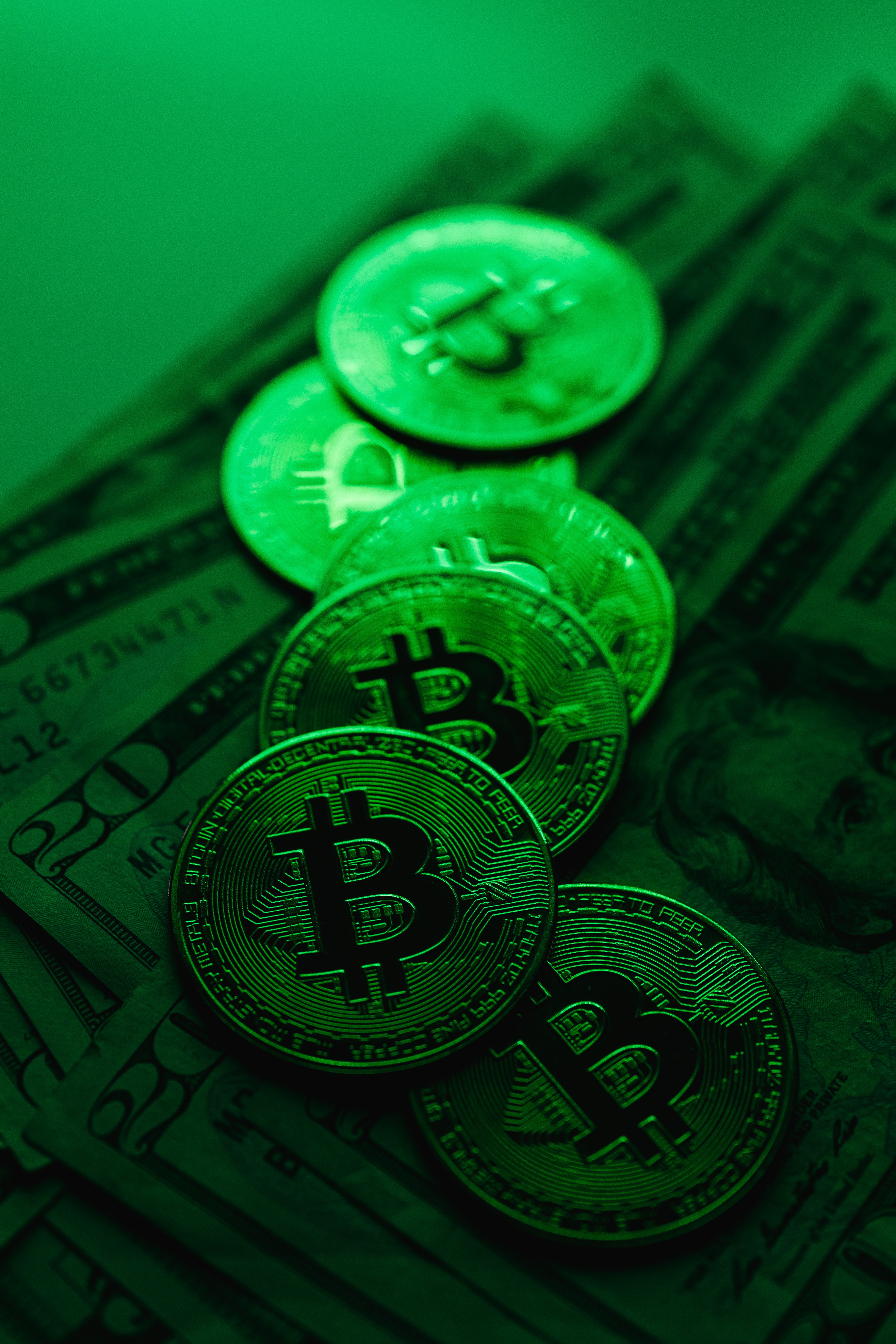
ETFs, or exchange-traded funds, are investment funds traded on stock exchanges that hold assets such as stocks, commodities, or bonds. They offer investors a way to diversify their portfolios and gain exposure to a wide range of assets through a single investment. While ETFs can be a valuable tool for investors, there have been instances of scams involving fraudulent ETFs that promise unrealistically high returns or mislead investors about the assets held in the fund. These scams can result in significant financial losses for unsuspecting investors. Cryptocurrencies, on the other hand, are digital or virtual currencies that use cryptography for security. The most well-known cryptocurrency, Bitcoin, has captured the attention of investors around the world due to its potential for high returns and decentralized nature. However, the cryptocurrency market is rife with scams, including Ponzi schemes, fake exchanges, and phishing attacks. Investors need to exercise caution and due diligence when navigating the cryptocurrency landscape to avoid falling victim to these scams. In addition to the prevalence of scams in the ETF and cryptocurrency markets, there are also concerns about corruption and the influence of religious power in these industries. Corruption can take many forms, from insider trading and market manipulation to bribery and embezzlement. Regulatory bodies play a crucial role in combating corruption and ensuring a level playing field for all market participants. Furthermore, the influence of religious power in the financial world can raise ethical questions about the values and principles guiding investment decisions. Some religious organizations have taken a stand against investing in certain industries, such as gambling, alcohol, or weapons, based on their moral beliefs. This can lead to debates about the role of religion in shaping investment strategies and the impact of religious values on financial markets. In conclusion, the rise of scams in ETFs and cryptocurrencies, as well as concerns about corruption and the influence of religious power, highlight the need for vigilance and ethical behavior in the financial industry. Investors must conduct thorough research, exercise caution, and adhere to strict ethical standards to protect themselves and the integrity of the markets. Regulatory oversight, transparency, and accountability are essential in addressing these challenges and fostering a trustworthy and sustainable financial ecosystem.


