Beware of Scam Medical ETFs and Cryptocurrency Investments
Category : coinculator |
Sub Category : coinculator Posted on 2024-09-07 22:25:23
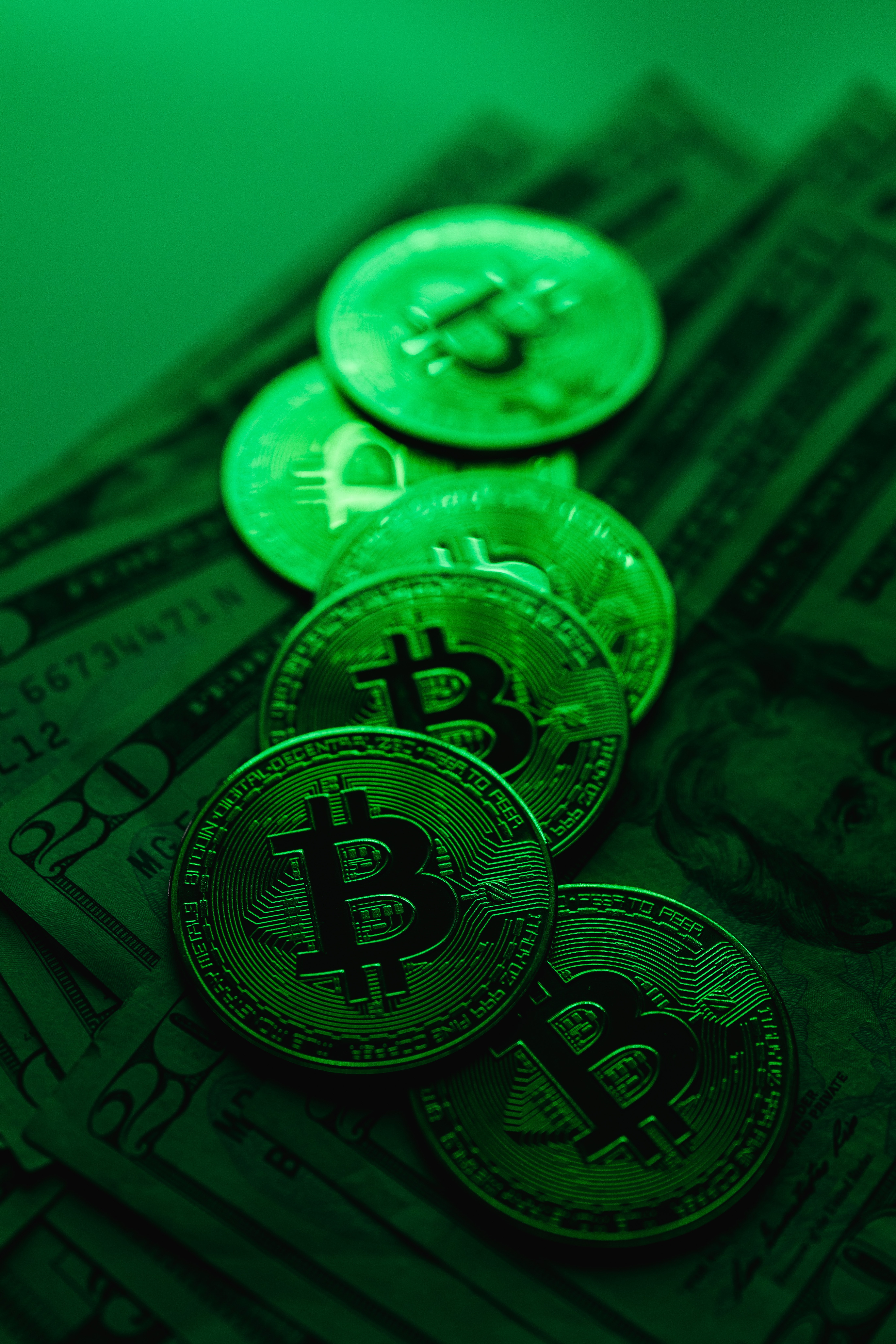
In recent years, the rise of Exchange-Traded Funds (ETFs) and cryptocurrencies has provided investors with new opportunities to diversify their portfolios and potentially earn significant returns. However, with these investment options also come risks, including the threat of scams targeting unsuspecting individuals. One area where scams have been increasingly prevalent is in the intersection of medical ETFs and Cryptocurrency investments. Scammers often take advantage of the growing interest in healthcare-related ETFs and the hype surrounding cryptocurrencies to lure investors into fraudulent schemes. One common tactic used by scammers is to promote fake medical ETFs that claim to invest in cutting-edge healthcare technology and innovations. These ETFs may promise high returns and portray themselves as a safe and secure investment opportunity. However, upon closer inspection, investors may discover that these funds do not actually exist or are not regulated by any reputable financial authority. Cryptocurrency scams in the medical field are also on the rise, with fraudsters creating fake digital coins or tokens tied to medical breakthroughs or healthcare services. These scams often rely on misleading marketing tactics and false promises of guaranteed returns to entice investors to buy into the cryptocurrency. To avoid falling victim to scam medical ETFs and cryptocurrency schemes, investors should exercise caution and perform thorough due diligence before making any investment decisions. Here are some tips to help protect yourself: 1. Research the ETF or cryptocurrency thoroughly: Look into the background of the fund or digital asset, including its track record, management team, and regulatory status. 2. Watch out for red flags: Be wary of investment opportunities that promise guaranteed returns, use high-pressure sales tactics, or lack transparency. 3. Verify the legitimacy of the investment: Check if the ETF is registered with the relevant regulatory authorities and ensure that the cryptocurrency is listed on reputable exchanges. 4. Seek professional advice: Consider consulting with a financial advisor or investment expert before committing your funds to any medical ETF or cryptocurrency. By staying informed and exercising caution, investors can minimize their risk of falling victim to scam medical ETFs and cryptocurrency investments. Remember that if an investment opportunity sounds too good to be true, it probably is. Stay vigilant and protect your hard-earned money from fraudulent schemes in the ever-evolving world of finance. To see the full details, click on: https://www.tinyfed.com For an in-depth analysis, I recommend reading https://www.natclar.com


