Shopping in the Digital Age: Exploring the Intersection of Cryptocurrency and Diplomacy
Category : coinculator |
Sub Category : coinculator Posted on 2024-09-07 22:25:23
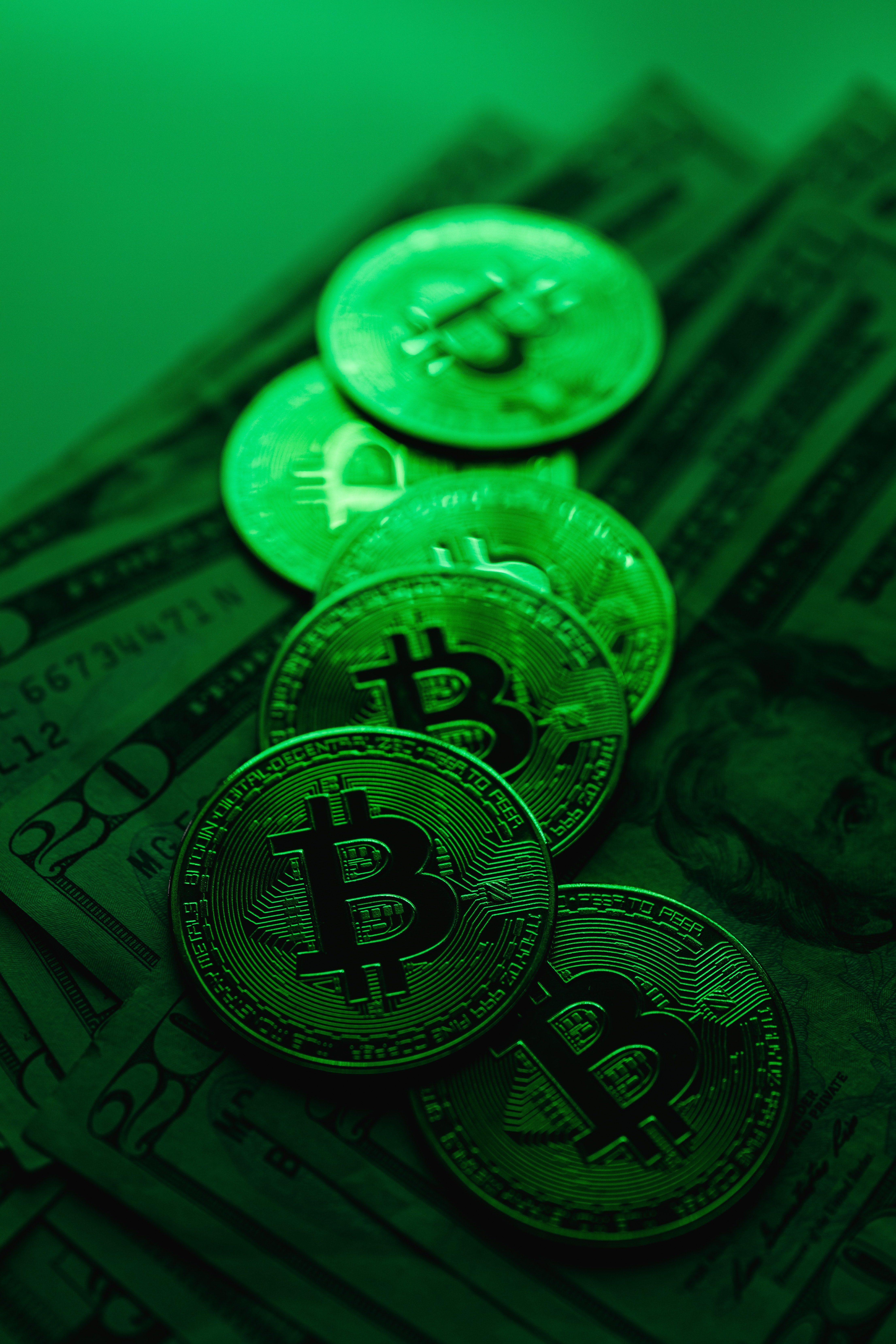
In recent years, the way we shop has undergone a radical transformation with the rise of e-commerce and digital payment methods. One such innovative form of payment that has gained increasing popularity is Cryptocurrency. Cryptocurrencies like Bitcoin, Ethereum, and Litecoin offer a decentralized and secure means of conducting transactions online. As more retailers begin to accept cryptocurrency as a form of payment, the shopping experience has become even more convenient and efficient for consumers. One area where the intersection of cryptocurrency and shopping is particularly interesting is in the realm of diplomacy. Diplomacy, the practice of managing international relations, is a complex and multifaceted field that involves negotiation, communication, and strategic decision-making. Cryptocurrency has the potential to revolutionize diplomatic transactions by providing a secure and transparent way for countries to exchange funds and goods. Imagine a scenario where two countries are engaging in trade negotiations. Traditionally, these transactions would involve complex financial systems, multiple intermediaries, and a high degree of bureaucracy. By using cryptocurrency, these countries could streamline the process and reduce the risk of fraud or corruption. Cryptocurrency transactions are recorded on a public ledger, making them verifiable and traceable, which can help build trust between nations. Furthermore, cryptocurrency offers a level of financial independence that is especially appealing in the realm of diplomacy. Governments that are subject to economic sanctions or restrictions imposed by traditional financial institutions can use cryptocurrency to bypass these limitations and engage in international trade more freely. This newfound financial freedom can empower countries to pursue their diplomatic agendas without being hindered by external pressures. On the flip side, the use of cryptocurrency in diplomacy also raises concerns about security and regulation. Given the anonymous nature of cryptocurrency transactions, there is a potential for misuse by malicious actors such as terrorist organizations or rogue states. Governments around the world are grappling with how to regulate and monitor the use of cryptocurrency to prevent illicit activities while still harnessing its potential benefits for diplomatic purposes. In conclusion, the intersection of cryptocurrency, shopping, and diplomacy presents a complex and intriguing landscape that is still being navigated. As technology continues to evolve, it is crucial for policymakers, diplomats, and consumers to stay informed about the impact of cryptocurrency on global trade and international relations. By embracing the opportunities that cryptocurrency offers while mitigating its risks, we can create a more efficient, transparent, and secure shopping experience in the digital age.


