The Intersection of Software Applications, Hyperinflation, ETFs, and Cryptocurrencies
Category : coinculator |
Sub Category : coinculator Posted on 2024-09-07 22:25:23
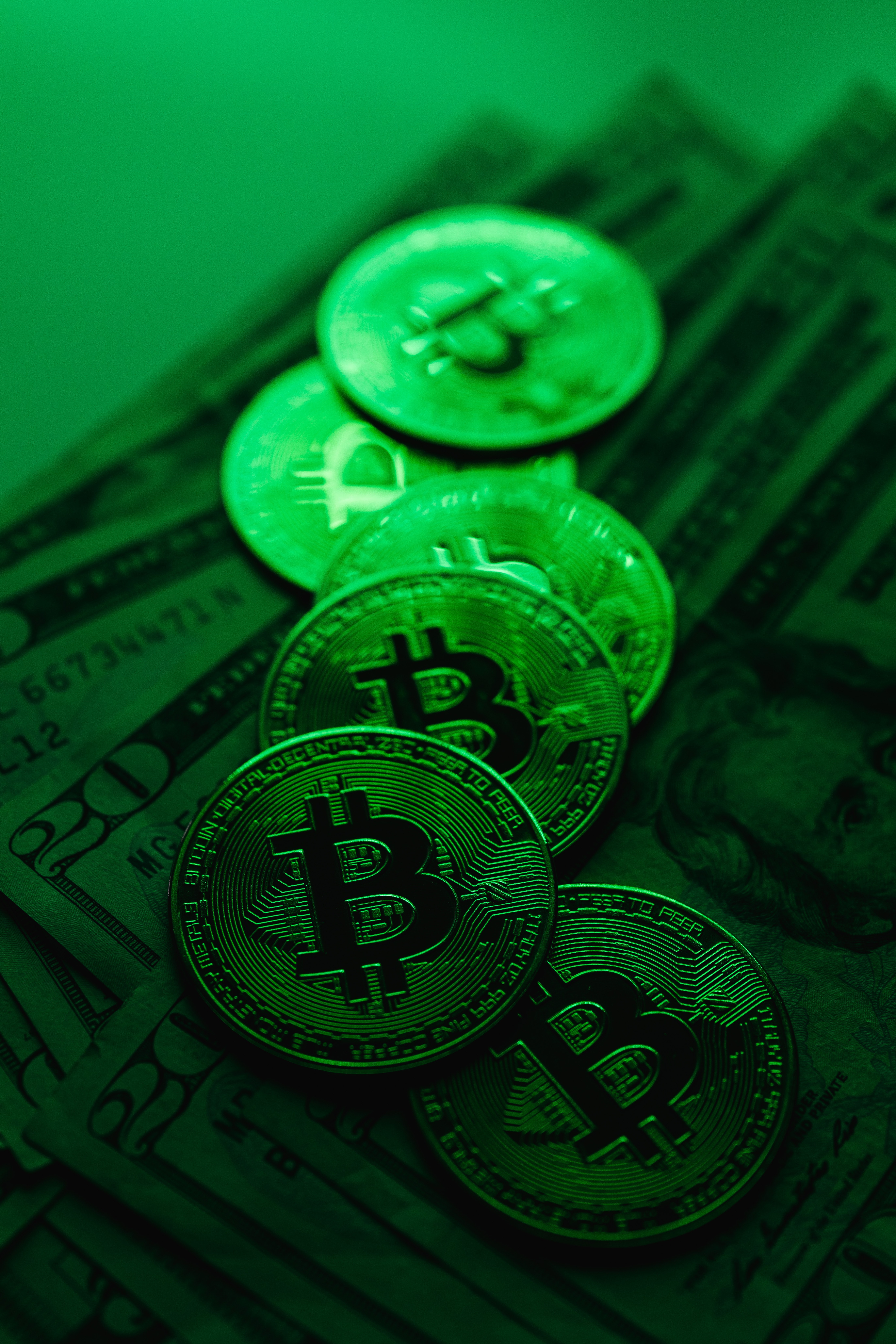
In today's ever-evolving digital landscape, the convergence of Software applications, hyperinflation, ETFs (Exchange Traded Funds), and cryptocurrencies has become increasingly prominent. Let's dive into how these elements are interconnected and shaping the financial and technological sectors. Software applications play a crucial role in facilitating various aspects of our daily lives, from communication and productivity to entertainment and finance. With the rise of hyperinflation in certain economies, the value of traditional fiat currencies is being eroded, leading to a search for alternative stores of value. This is where ETFs and cryptocurrencies come into play. ETFs have emerged as popular investment vehicles that allow investors to gain exposure to a diversified portfolio of assets, such as stocks, bonds, or commodities, without having to directly purchase the underlying assets. In the context of hyperinflation, investors may turn to ETFs as a hedge against currency devaluation, seeking stability and potential returns in uncertain economic conditions. Cryptocurrencies, on the other hand, offer a decentralized and secure alternative to traditional fiat currencies. With their underlying blockchain technology, cryptocurrencies provide transparency, immutability, and accessibility to users across the globe. In hyperinflationary environments, cryptocurrencies like Bitcoin and Ethereum may be viewed as digital gold, offering a store of value that is not subject to inflationary pressures. The intersection of software applications, hyperinflation, ETFs, and cryptocurrencies is driving innovation and reshaping the financial landscape. Fintech companies are leveraging technology to create user-friendly platforms for trading ETFs and cryptocurrencies, democratizing access to these investment opportunities for retail investors. Additionally, the concept of tokenization is gaining traction, where real-world assets, such as real estate or art, are represented on blockchain networks as digital tokens. This tokenization of assets through software applications enables fractional ownership, increased liquidity, and enhanced transparency in the investment process. As we navigate an increasingly digital and interconnected world, the synergy between software applications, hyperinflation, ETFs, and cryptocurrencies is redefining how we approach investing, hedging against economic uncertainties, and safeguarding wealth in a rapidly changing financial landscape. By staying informed and embracing technological advancements, investors can capitalize on the opportunities presented by this dynamic intersection of forces. To expand your knowledge, I recommend: https://www.grauhirn.org


